- Written by: Dr Ganesh Ramalingam
- Reading Time: 5-6 minutes

Dr Ganesh Ramalingam, MBBS, M.Med, MRCS, FRCS
Table of Contents
What is an Umbilical Hernia?
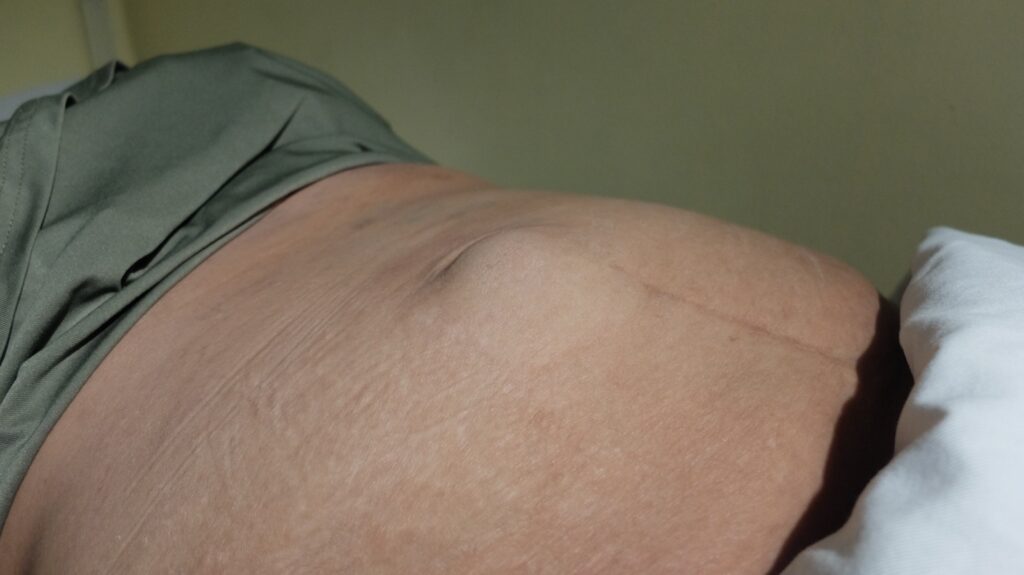
An umbilical hernia happens when part of your intestine or fatty tissue pushes through a weak spot in the abdominal wall near your belly button.
You might notice a bulge or swelling, especially when lifting, coughing, or straining. In children, it’s usually painless, but for adults, it can cause discomfort or pain.
Left untreated, complications like strangulation can occur. That’s why I’m here to ensure you receive timely care for peace of mind. With the right care, you can enjoy relief and get back to your normal activities without worry.
Causes and Risk Factors of Umbilical Hernia
Umbilical hernias develop due to weakness in the abdominal wall near the belly button. This can happen when pressure on the abdominal muscles increases over time.
Being overweight, pregnant, or lifting heavy objects can increase the risk of a hernia, along with aging or chronic coughing. Each of these can strain the abdominal area and lead to a hernia.
If you notice the hernia growing larger, becoming painful, or showing signs of complications like redness or tenderness, it’s time to seek treatment. Taking action early can prevent more serious issues and ensure a smoother recovery.

General Treatment Options for Umbilical Hernia
Not all umbilical hernias need immediate surgery. Small, painless hernias can often be managed with simple lifestyle adjustments, like maintaining a healthy weight, avoiding heavy lifting, and monitoring the hernia’s size and symptoms.
When a hernia becomes painful, grows larger, or shows signs of complications, surgery is usually the best option. In most cases, elective surgery can prevent emergencies and improve quality of life.
If you’re unsure whether your hernia needs treatment, I’m here to guide you through the options. Together, we can decide on the best approach for your health and peace of mind.
Dr. Ganesh Ramalingam’s Approach to Umbilical Hernia Treatment
When it comes to umbilical hernia repair, I specialize in minimally invasive laparoscopic surgery. This advanced technique uses small incisions, resulting in less pain, minimal scarring, and a faster recovery compared to traditional methods.
Before surgery, I’ll walk you through every step, from pre-surgical preparation to the procedure itself. Using a tiny camera during surgery ensures precision and safety, helping you heal faster with less pain and scarring. Most patients go home the same day and quickly return to their normal routines.
My goal is to make your experience smooth and stress-free, helping you feel confident and supported throughout your journey.
Comparison of Laparoscopic and Open Hernia Surgery
Laparoscopic surgery offers many advantages over traditional open surgery for umbilical hernia repair. Using small incisions, the laparoscopic approach minimizes scarring, reduces pain, and speeds up recovery. Many patients resume light activities within days, compared to weeks with open surgery.
This minimally invasive option is ideal for most hernia cases, but some situations may require an open procedure. Factors like hernia size, prior surgeries, and overall health determine the best approach. In some cases, open surgery is chosen for larger or more complex hernias to ensure the best outcome for your health.
As your surgeon, I’ll assess your condition and recommend the method that ensures the safest and most effective results, always keeping your comfort and recovery in mind.
What to Expect Post-Surgery with Dr. Ganesh
Recovery after umbilical hernia surgery is typically quick, especially with a laparoscopic approach. Most patients go home the same day and resume light activities within a few days. Full recovery usually takes 4–6 weeks.
I provide personalized aftercare instructions, including how to manage pain, care for your wounds, and gradually return to your normal routine. Avoiding heavy lifting and following activity restrictions are essential during the healing process.
To help prevent future hernias, I’ll guide you on sustainable lifestyle changes, such as maintaining a healthy weight and practicing safe lifting techniques. Over the long term, you can expect improved comfort, freedom to move without limitations, and the confidence of knowing your health is back on track.
Dr. Ganesh’s Expertise for Umbilical Hernia Surgery?
With over 20 years of expertise in minimally invasive techniques, including advanced laparoscopic procedures, I am committed to delivering care that prioritizes your comfort, recovery, and long-term well-being.
My approach goes beyond treating the hernia itself—I focus on addressing the root causes to create a personalized treatment plan that meets your unique needs.
At G&L Surgical Clinic, you’ll receive world-class care in a warm, inclusive environment. My goal is to empower you with the understanding and support you need to achieve lasting health and a full return to your daily life.
FAQs: Your Questions About Umbilical Hernia Answered
Here are some of the most common concerns about umbilical hernias, with simple, clear answers to help guide you.
- What is an umbilical hernia?
An umbilical hernia occurs when part of the intestine pushes through a weak spot near the belly button. - How do I know if I need surgery?Surgery is needed if the hernia causes pain, grows larger, or risks complications like strangulation.
- How long does recovery take after laparoscopic repair?
Most patients recover within 4–6 weeks, resuming light activities within a few days post-surgery. - Are there ways to prevent hernia recurrence after surgery?
Maintaining a healthy weight, avoiding heavy lifting, and following aftercare guidelines reduce the risk of recurrence. - Can I communicate in Bahasa Indonesia during my treatment?
Yes, our Indonesia and Singapore teams speak Bahasa Indonesia, ensuring clear communication and support throughout your treatment journey.
If you’re ready to take the first step toward relief, my team and I are here to help. Contact our Indonesian office for personalized assistance with appointments and inquiries. I will carefully assess your condition and recommend the best treatment plan, ensuring a smooth and supportive journey to better health.