
- Written Dr Ganesh Ramalingam
- Reading Time: 6 minutes
Perianal abscess can be uncomfortable, but relief and recovery are closer than you think. Imagine a blocked and infected gland—like a clogged drain—causing swelling and pain near the anus. With the right care, this common condition can be treated effectively, allowing you to get back to feeling your best. Let’s explore what a perianal abscess is, what causes it, and how timely care can make all the difference.

Dr Ganesh Ramalingam, MBBS, M.Med, MRCS, FRCS
Here are answers to some common questions to help you better understand perianal abscesses and the treatment process.
- What is a perianal abscess?
It’s a painful pus-filled infection near the anus caused by blocked anal glands, often leading to swelling and discomfort. - Is surgery the only treatment option?
For mild cases, antibiotics and sitz baths might help. But for severe abscesses, surgical drainage is usually the most effective solution. - How long is the recovery after surgery?
Most patients recover within one to two weeks with proper wound care and follow-up to ensure complete healing. - Can a perianal abscess return?
Yes, especially if underlying issues like diabetes aren’t addressed. Proper care and follow-ups minimize the chances of recurrence. - What can I do to prevent abscesses?
Maintain good hygiene, eat a high-fiber diet, stay hydrated, manage health conditions, and avoid straining during bowel movements.
Treating a perianal abscess doesn’t have to be overwhelming. With timely care, minimally invasive techniques, and personalized support, recovery is well within reach. My teams in Indonesia and Singapore are here to guide you every step of the way. Contact our Indonesian office today to take the first step toward restoring your health and well-being.
Table of Contents
What is a Perianal Abscess?
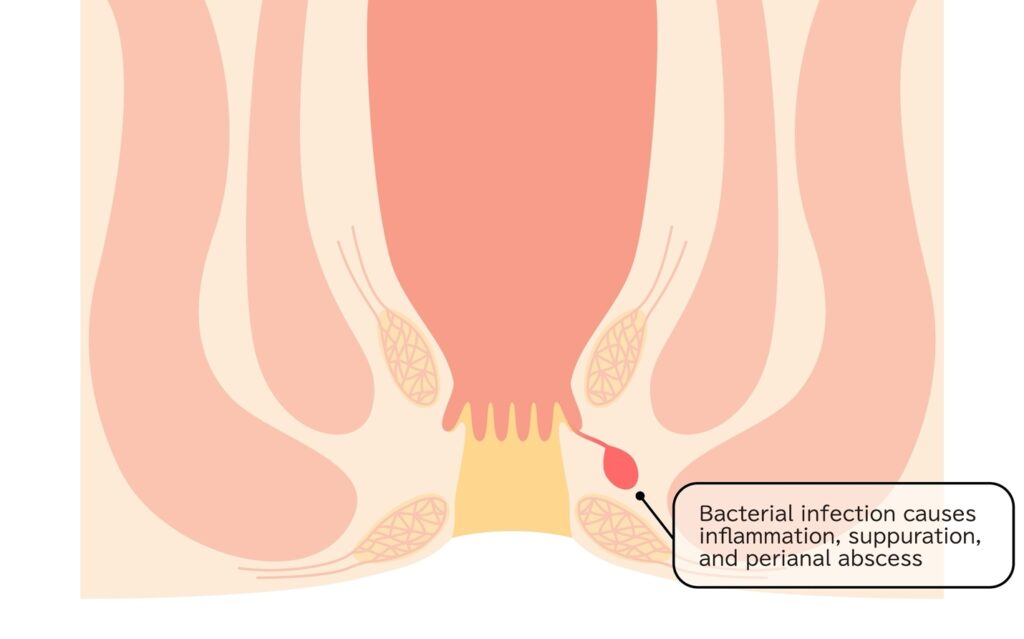
A perianal abscess is a localized infection near the anus, caused by bacteria trapped in the anal glands. It is the most common type of anorectal abscess, accounting for about 60% of cases.
This infection leads to a painful buildup of pus, causing symptoms like throbbing pain, redness, swelling, and sometimes fever. Left untreated, complications such as fistulas—small tunnels connecting the abscess to the skin—or chronic infections may develop.
Timely treatment not only relieves discomfort but also prevents complications, allowing you to recover fully. My goal is to guide you through this process with expert care and a clear plan for lasting relief.
Causes and Risk Factors of Perianal Abscess
Perianal abscesses form when bacteria naturally present in the gut, like E. coli, infect the anal glands, leading to a blockage and buildup of pus. Several factors increase the risk of developing this condition, including:
- Inflammatory bowel diseases (e.g., Crohn’s disease): These conditions weaken the tissues, making infections more likely.
- Diabetes: High blood sugar levels can impair your immune response, leaving you more vulnerable to infections.
- Poor hygiene: Inadequate cleansing of the anal area can allow bacteria to accumulate.
- Weakened immune system: Conditions like HIV or certain medications can reduce your body’s ability to fight infections.
Understanding these risk factors can help with early recognition and prevention. Diagnosing a perianal abscess promptly is essential, as early treatment relieves discomfort and reduces the risk of complications like fistulas or recurrent infections.
General Treatment Options for Perianal Abscess
Treatment for a perianal abscess depends on its severity. For mild cases, antibiotics and warm sitz baths may help reduce pain and swelling. However, most abscesses require drainage to fully resolve the infection.
Surgical drainage involves making a small incision to release the pus, providing immediate relief. This procedure is typically done under local anesthesia, ensuring minimal discomfort.
Addressing the abscess early helps promote healing, prevent complications, and ensure a smooth return to daily life. Pain is managed effectively throughout the process, so you can feel confident and supported during recovery.
Dr. Ganesh Ramalingam’s Approach to Perianal Abscess Treatment
Every patient’s condition is unique, and I believe in tailoring treatments to suit individual needs. My first step is a comprehensive assessment, which includes understanding the severity of the abscess and identifying any underlying factors, such as diabetes or inflammatory bowel disease.
For moderate to severe cases, surgical drainage is often the most effective solution. Using a minimally invasive technique, I make a small incision to drain the abscess while minimizing trauma to the surrounding tissue. This approach ensures reduced discomfort and faster healing.
After the procedure, I’ll ensure you understand how to care for the wound properly, with my team available to guide you through the recovery process. Together, we’ll focus on achieving optimal healing and reducing the risk of recurrence.
Post-Surgical Care and Recovery
Recovery after perianal abscess surgery is straightforward with the right care and support. To ensure proper healing, I’ll provide clear instructions on wound care, including keeping the area clean, using warm sitz baths, and applying prescribed ointments. My team will be on hand to answer any questions and support you every step of the way.
Staying hydrated and following a high-fiber diet can help prevent constipation, easing your recovery. Follow-up appointments are crucial to monitor your progress and address any concerns. Most patients recover within one to two weeks and can resume their daily activities with confidence. My goal is to ensure your recovery is as smooth and stress-free as possible.
What to Expect from Dr. Ganesh Ramalingam for Perianal Abscess Surgery?
With over two decades of experience in gastrointestinal and minimally invasive surgery, I strive to provide care that prioritizes both your comfort and long-term health. My approach focuses on addressing the root causes of your condition and tailoring a treatment plan to deliver effective, lasting results.
To support my Indonesian patients, I’ve built a dedicated team in Indonesia to assist with inquiries and appointments. In Singapore, our concierge team ensures a seamless experience throughout your treatment, from consultations to post-surgical care. Both teams are fluent in Bahasa Indonesia, making your journey stress-free and comfortable.
At G&L Surgical Clinic, my goal is to create a welcoming environment where you feel supported and respected. Together, we’ll work toward a recovery plan that meets your needs and helps you return to your best self.