
- Written Dr Ganesh Ramalingam
- Date: January 10, 2025
- Reading Time: 5-6 minutes

Dr Ganesh Ramalingam, MBBS, M.Med, MRCS, FRCS
Table of Contents
What is Appendicitis?
Hi, I’m Dr. Ganesh Ramalingam. Appendicitis is a common medical emergency caused by the inflammation of the appendix, a small organ attached to the large intestine. This usually happens when the appendix becomes blocked, leading to infection and swelling. Symptoms include abdominal pain that often starts near the belly button and shifts to the lower right side, as well as nausea, fever, and loss of appetite.
If untreated, appendicitis can lead to serious complications like a ruptured appendix or widespread infection. Early diagnosis and treatment are essential to prevent these risks and ensure a smoother recovery.
Causes and Risk Factors of Appendicitis
Appendicitis occurs when the appendix becomes blocked or infected. This can happen due to hardened stool, swelling, or even an infection. Factors like age, diet, and family history can increase your risk, making early detection essential.
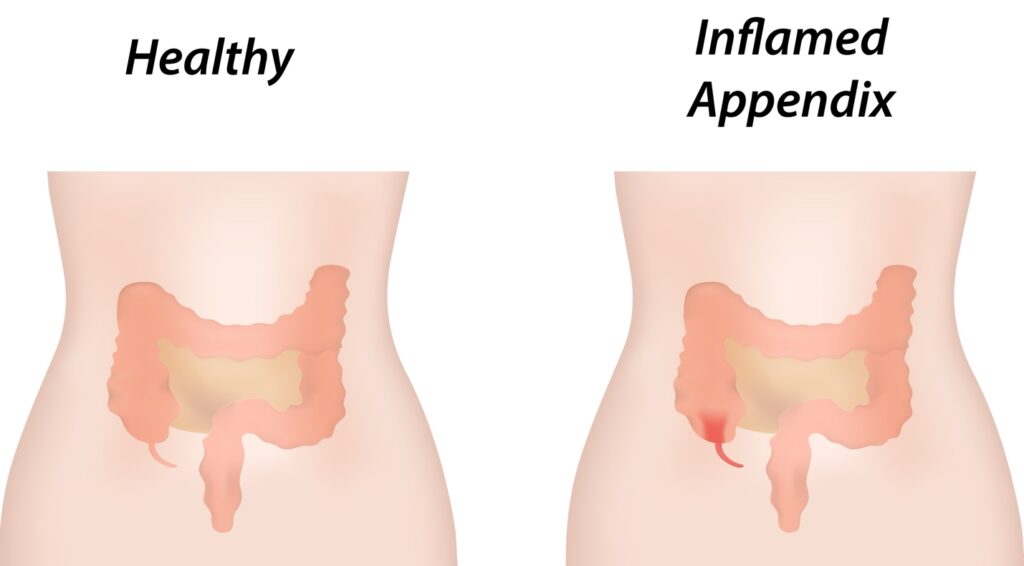
Certain factors increase the risk of appendicitis. It’s most common in people aged 10 to 30 and slightly more frequent in men. A low-fiber diet, family history, and underlying conditions like diabetes or cystic fibrosis can also play a role. While appendicitis isn’t preventable, understanding these risks can help with early detection and prompt treatment.
When is Surgery Required for Appendicitis?
Surgery is typically needed for appendicitis to avoid complications like a ruptured appendix or severe infection. Early removal prevents these risks and ensures a faster recovery.
Without treatment, the appendix can rupture within 48 to 72 hours, leading to peritonitis—a dangerous infection in the abdominal cavity—or sepsis, which can be life-threatening.
Prompt surgical intervention not only prevents these risks but also ensures faster recovery. In rare cases of mild appendicitis, antibiotics might be used temporarily, but surgery remains the gold standard for effective treatment. Acting early can make a significant difference in achieving the best outcomes for your health.
General Treatment Options for Appendicitis
When treating appendicitis, the approach depends on the severity of the condition. For mild, non-perforated cases, antibiotics can sometimes be used to manage inflammation temporarily. However, studies show that about 30% of patients treated with antibiotics may still require surgery later.
For most cases, especially acute or ruptured appendicitis, an appendectomy remains the gold standard. This surgical procedure ensures the complete removal of the infected appendix, significantly reducing the risk of recurrence or complications. Advances in minimally invasive techniques, like laparoscopic surgery, make this option safer, with faster recovery times and fewer postoperative issues.
Dr. Ganesh Ramalingam’s Approach to Appendectomy
As a specialist in minimally invasive surgery, I prioritize laparoscopic appendectomy for treating appendicitis. This advanced technique involves making small incisions and using a tiny camera and specialized tools to remove the appendix with precision. The benefits are clear: faster recovery, minimal scarring, and less postoperative pain.
In rare cases, open surgery may be required, such as when the appendix has ruptured or there is extensive infection. Regardless of the approach, my focus is on ensuring a safe, effective procedure tailored to each patient’s needs, followed by comprehensive care to support their recovery and long-term health.
The Appendectomy Procedure Explained
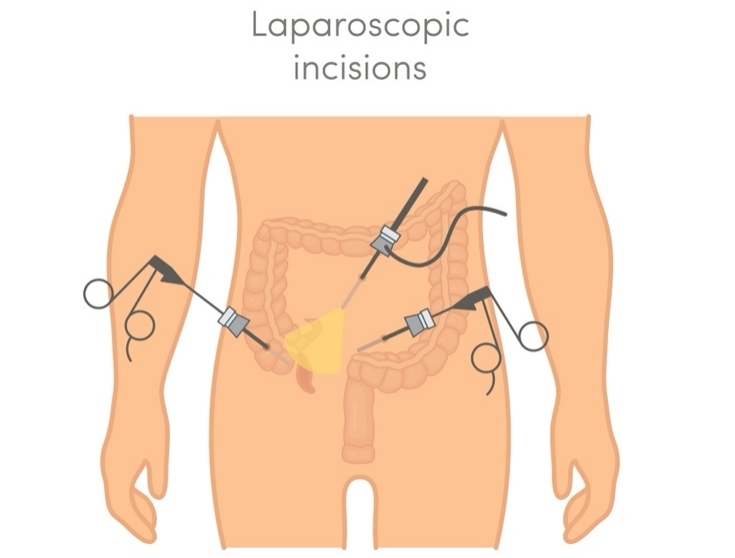
The procedure typically takes about an hour and has a high success rate when performed by an experienced surgeon. For more complex cases, open surgery may be needed, but rest assured, your safety and recovery are my top priorities.
Post-Surgery Care and Recovery
Recovery from laparoscopic surgery is straightforward. Most patients return to daily activities within 1–3 weeks. To heal smoothly, keep incisions clean, avoid heavy lifting, and follow all care instructions closely.
Managing pain is also important, and I often recommend alternating over-the-counter medications like paracetamol and ibuprofen. Follow-up visits help monitor your healing and address any concerns. With proper care, most patients recover quickly and return to their normal routines without complications.
Advantages of Minimally Invasive Appendectomy
Laparoscopic appendectomy offers significant benefits over traditional open surgery. With smaller incisions, patients experience less pain, minimal scarring, and faster recovery times—often returning to normal activities within a week or two. The reduced trauma to surrounding tissues also lowers the risk of infections and other complications.
Another advantage is the shorter hospital stay, with most patients going home within 24 to 48 hours. For those concerned about aesthetics, the tiny incisions result in barely noticeable scars. These benefits make laparoscopic surgery a safe and effective choice for treating appendicitis while ensuring a quicker, smoother recovery.
Dr. Ganesh’s Expertise and What to Expect
With over 20 years of experience in minimally invasive surgery, including advanced laparoscopic techniques, I am committed to providing safe, effective care that prioritizes your comfort, recovery, and long-term health. Every treatment plan is tailored to your unique needs, ensuring the best possible outcomes.
To support my Indonesian patients, I have a dedicated team in Indonesia to assist with inquiries, appointments, and initial coordination. In Singapore, our concierge team will guide you through each stage of your care, from the first consultation to post-procedure follow-ups. Both teams are fluent in Bahasa Indonesia, making your experience smooth and stress-free.
At G&L Surgical Clinic, I strive to create a professional and caring environment where you can feel confident that your health is in capable hands. My focus is on ensuring a seamless, supportive journey to recovery.
FAQs About Appendectomy: Your Common Questions Answered
Still have questions? Here are some of the most common concerns patients have about appendectomy, with answers to guide you.
- What is appendicitis, and why is it an emergency?
Appendicitis is inflammation of the appendix. If untreated, it can rupture, leading to severe infections requiring immediate medical attention. - How do I know if I have appendicitis?
Key symptoms include pain shifting to the lower right abdomen, nausea, fever, and loss of appetite. Seek medical advice promptly. - Why is surgery usually needed for appendicitis?
Surgery removes the inflamed appendix, preventing complications like rupture, peritonitis, or sepsis, which can be life-threatening if untreated. - How long does it take to recover from an appendectomy?
For laparoscopic surgery, recovery is typically 1–3 weeks. Open surgery may require a longer recovery period of up to 4 weeks. - Is laparoscopic surgery better than open surgery for appendicitis?
Yes, laparoscopic surgery involves smaller incisions, less pain, faster recovery, and minimal scarring compared to traditional open surgery.
Appendicitis requires urgent attention, but with expert treatment, you can recover quickly and safely. My experienced team in Indonesia is here to assist with all inquiries and arrangements, ensuring a seamless process. Trust us to provide the care you need—contact us today to start your journey toward better health.