- Written by: Dr Ganesh Ramalingam
- Reading Time: 7-8 minutes
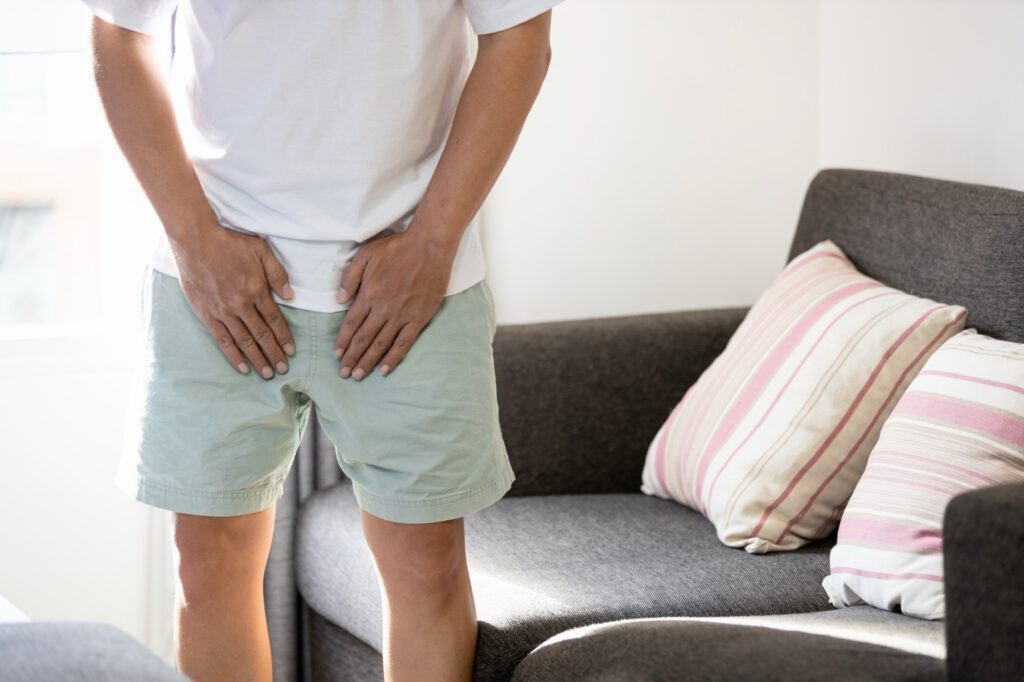
Are you experiencing discomfort or noticing a bulge in your groin area? These could be signs of an inguinal hernia—a condition that, if left untreated, can lead to serious complications. Understanding your symptoms and treatment options is the first step toward reclaiming your comfort and confidence.

Dr Ganesh Ramalingam, MBBS, M.Med, MRCS, FRCS
Table of Contents
Understanding Inguinal Hernias
An inguinal hernia happens when tissue, like part of the intestine, pushes through a weak spot in the abdominal muscles.
Inguinal hernias are often more noticeable when standing, coughing, or lifting heavy objects. Symptoms can range from mild discomfort to significant pain during physical activities.
If left untreated, these hernias can grow and severely impact your daily life, even leading to complications like intestinal blockage or strangulation, which require urgent medical attention.
By understanding inguinal hernias, you’ve taken the first step toward relief. Let’s explore how you can address this condition effectively and regain your quality of life.
Causes and Risk Factors of Inguinal Hernia
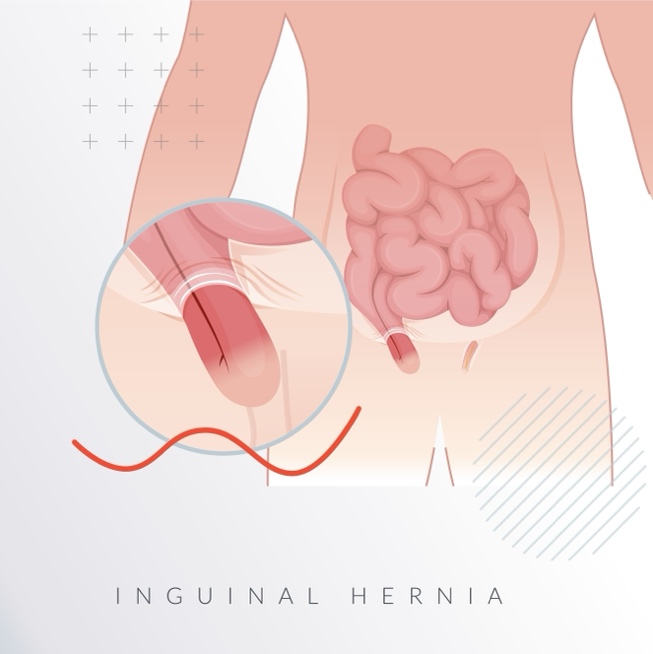
To understand how hernias develop, it’s important to explore their causes and the risk factors that contribute to their occurrence.
An inguinal hernia develops when tissue pushes through a weak spot in the abdominal muscles, often due to strain or muscle weakness. This weakness can result from aging, physical strain, or congenital conditions. Activities like heavy lifting, chronic coughing, or straining during bowel movements can increase abdominal pressure, worsening the risk.
Factors like obesity, smoking, and family history also play a role. Men are more susceptible due to anatomical differences, while pregnancy can increase the risk for women.
Diagnosing hernias early is vital to prevent complications like incarceration or strangulation, which can lead to severe pain and life-threatening conditions.
When Should You Seek Treatment for an Inguinal Hernia?
If you notice persistent pain or a bulge in your groin that worsens with activities like lifting or bending, it’s time to seek medical attention. Discomfort that interferes with daily routines is a common sign of an inguinal hernia.
Untreated hernias can lead to serious complications, such as incarceration, where the hernia becomes trapped, causing severe pain, or strangulation, which cuts off blood supply to the tissue. This is a medical emergency. Don’t wait for symptoms to escalate—early treatment not only prevents complications but also makes recovery easier and more effective.
Overview of General Treatment Options for Inguinal Hernia
Managing an inguinal hernia often starts with lifestyle adjustments, such as avoiding heavy lifting, maintaining a healthy weight, and quitting smoking. These steps can help reduce strain on the abdominal muscles.
For mild cases, a hernia belt or supportive garment may provide temporary relief, though it’s not a permanent solution.
Surgery is recommended for hernias that cause pain, grow in size, or risk complications like incarceration or strangulation. Depending on the severity, surgical options include open repair or minimally invasive procedures like laparoscopy, both designed to restore comfort and prevent recurrence.
Dr. Ganesh Ramalingam’s Approach to Inguinal Hernia Surgery
With over 20 years of experience in general and laparoscopic surgery, I specialize in minimally invasive inguinal hernia repair. Using laparoscopic techniques, I create small incisions to access and repair the hernia with the aid of a camera and precise surgical tools. A mesh is often placed to strengthen the abdominal wall, reducing the risk of recurrence.
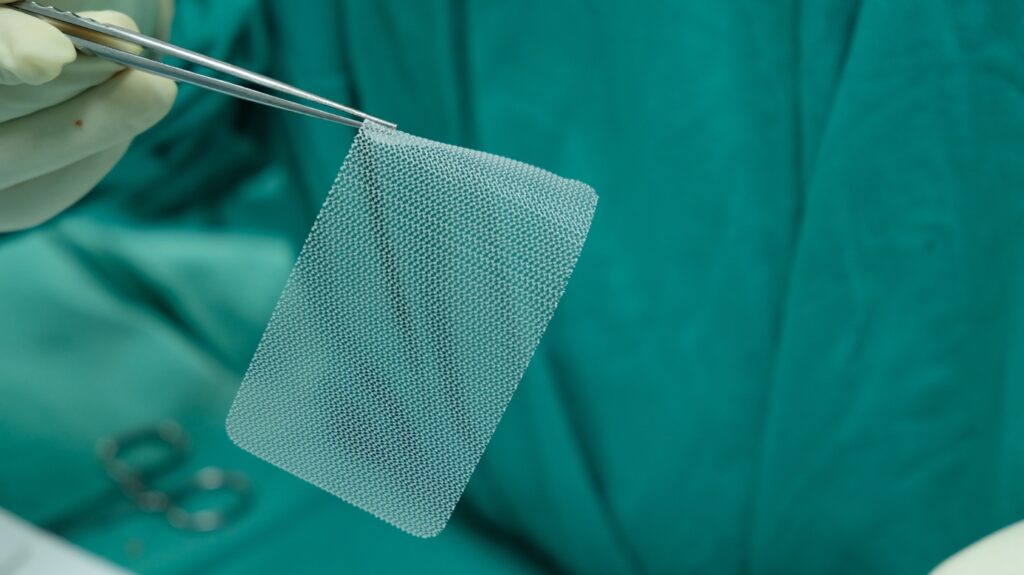
This approach offers several benefits: minimal scarring, reduced post-operative pain, and a faster recovery, allowing you to return to your daily activities sooner. My focus is on providing tailored care to ensure the best possible outcomes for every patient.
Laparoscopic vs. Open Surgery for Inguinal Hernia
When it comes to hernia repair, laparoscopic and open surgeries are two main options. Laparoscopic surgery involves small incisions and uses a camera to guide the procedure, resulting in minimal scarring and faster recovery. Open surgery, on the other hand, requires a larger incision, which can mean a longer healing process.
For many patients, laparoscopic surgery is preferred due to less post-operative pain, quicker return to normal activities, and better cosmetic outcomes. However, the choice depends on factors like the size of the hernia, overall health, and surgeon expertise. I will work with you to determine the most suitable treatment option based on your condition and preferences.
What to Expect During the Procedure with Dr. Ganesh
When it comes to hernia repair, laparoscopic and open surgeries are two main options. Laparoscopic surgery involves small incisions and uses a camera to guide the procedure, resulting in minimal scarring and faster recovery. Open surgery, on the other hand, requires a larger incision, which can mean a longer healing process.
For many patients, laparoscopic surgery is preferred due to less post-operative pain, quicker return to normal activities, and better cosmetic outcomes. However, the choice depends on factors like the size of the hernia, overall health, and surgeon expertise. I will work with you to determine the most suitable treatment option based on your condition and preferences.
Post-Surgical Care and Recovery
After surgery, most patients recover within 2 to 6 weeks, with significant improvements in the first 1 to 2 weeks. To promote healing, I recommend balancing rest with light activity, like short walks, to improve circulation and prevent complications.
Follow all post-operative care instructions, such as avoiding heavy lifting and strenuous activities. Keep the incision area clean and dry to minimize infection risks and manage pain with prescribed medications.
Regular follow-up visits allow me to monitor your healing and address any concerns. Together, we’ll ensure a smooth recovery and a return to your normal routine.
What to Expect from Dr. Ganesh for Your Inguinal Hernia Surgery?
When you come to me for care, you’re placing your trust in someone who has spent over 20 years refining minimally invasive techniques like laparoscopic surgery. My focus is on helping you heal quickly and comfortably, with less pain and a faster return to your daily life. Each treatment plan is thoughtfully designed to address your specific needs, ensuring the best possible outcome.
To make your journey smooth, I’ve established a dedicated team fluent in Bahasa Indonesia to assist my Indonesian patients with every step—from inquiries and appointments to follow-up care. In Singapore, my concierge team ensures your experience is seamless and supportive, so you can focus on recovery.
At G&L Surgical Clinic, my commitment is to treat you with respect and understanding, offering compassionate care in a welcoming environment. Together, we’ll work toward your recovery and long-term health.
FAQs About Inguinal Hernias: Your Questions Answered
1. What is an inguinal hernia?
It’s when tissue, like the intestine, pushes through a weak spot in the abdominal wall, causing discomfort and a bulge.
2. What symptoms should I watch for?
Look for a groin bulge, discomfort, pain during activities, or a heavy sensation in the affected area.
3. When should I see a doctor?
Seek help if you experience persistent groin pain, a growing bulge, or difficulty with activities. Early treatment helps prevent serious complications like intestinal blockages or strangulation.
4. How is an inguinal hernia treated?
Mild cases may use lifestyle changes or supportive garments. Surgery is recommended for pain, growth, or risk of complications.
5. Why choose laparoscopic surgery?
Laparoscopic repair has smaller incisions, less pain, faster recovery, and better cosmetic outcomes compared to open surgery.