- Written by: Dr Ganesh Ramalingam
- Reading Time: 5-6 minutes
Have you noticed a bulge near your surgical incision? It might be an incisional hernia—a common post-surgery complication that can cause pain and discomfort. I understand how concerning this can be, but don’t worry—you’re not alone. I’m here to help you navigate your recovery journey with safe, effective treatment options that will get you back to living life fully.

Dr Ganesh Ramalingam
Table of Contents
What Are Incisional Hernias?
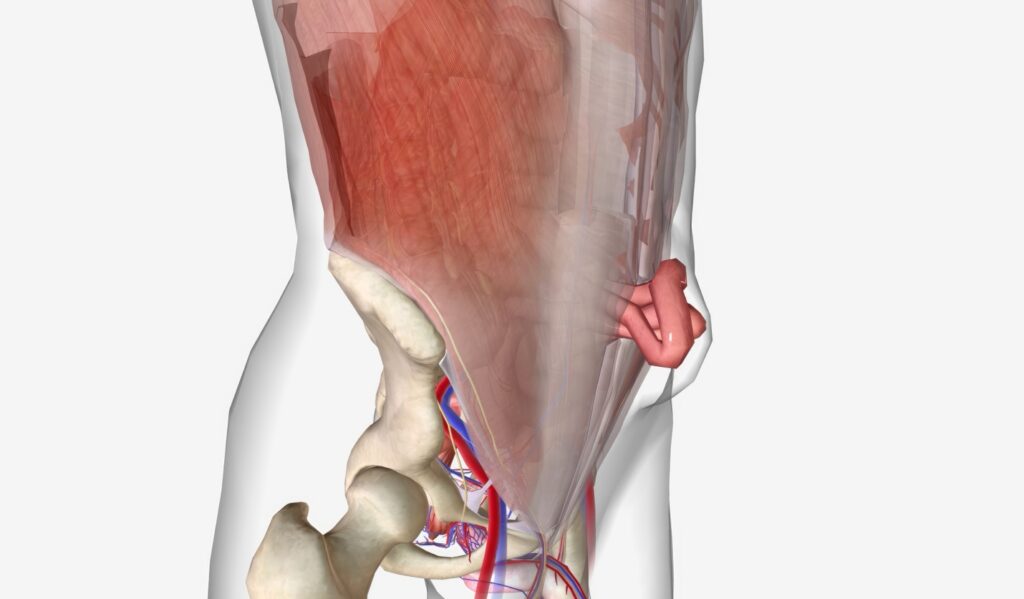
As a surgeon, I often hear from patients who worry about complications after their surgery. One common concern is noticing a bulge near the incision site. This bulge might be an incisional hernia, a condition where tissue pushes through a weakened spot in the abdominal wall at the site of a previous surgical incision. According to studies, incisional hernias occur in approximately 3% to 20.6% of patients who undergo abdominal operations globally. In developing countries, the incidence requiring surgical repair within one year is around 3.91% (source).
Left untreated, incisional hernias can cause pain, discomfort, and more serious health issues. But with the right care, you can recover effectively and avoid these complications.
What You Need to Know About Incisional Hernias
Picture this: You’re recovering from surgery and feeling optimistic about your progress. Then, weeks or months later, you notice a bulge or swelling near your incision site. It’s natural to feel worried, but it’s important to know that you’re not alone—this could be an incisional hernia.
These hernias are more common than you might think, especially in patients who have had abdominal surgeries. Symptoms can range from a visible bulge to pain and discomfort, particularly during physical activity. While some incisional hernias may seem harmless at first, they can grow larger over time and cause more serious complications if not addressed. I encourage you to reach out if you notice any concerning changes.
What Causes Incisional Hernias?
You might be wondering, “Why did this happen to me?” Incisional hernias typically develop after abdominal surgeries, especially when the incision site doesn’t heal properly. There are several factors that can increase your risk of developing an incisional hernia:
- Obesity: Excess weight puts additional pressure on the abdominal wall.
- Smoking: Smoking can slow down the healing process.
- Heavy lifting: Straining your abdominal muscles too soon after surgery can weaken the incision site.
- Chronic coughing: Persistent coughing increases pressure in the abdomen, which can lead to hernias.
If you have undergone multiple abdominal surgeries or have pre-existing conditions that affect wound healing, you may be at a higher risk. Understanding these risk factors can help you take preventive steps.
Exploring Treatment Options for Incisional Hernias
When it comes to treating incisional hernias, there’s no one-size-fits-all solution. The best approach depends on the size and severity of your hernia. For smaller, asymptomatic hernias, lifestyle adjustments and watchful waiting may be enough. However, in most cases, surgery is the most effective option.
I specialize in laparoscopic hernia repair, a minimally invasive technique that I recommend for many patients. This approach involves using a tiny camera and specialized surgical instruments to repair the hernia from inside the abdomen. Compared to traditional open surgery, laparoscopic repair offers several advantages:
- Smaller incisions
- Faster recovery
- Reduced risk of infection
- Less post-operative pain
By choosing this approach, you can achieve long-term relief and return to your daily activities sooner. My team and I are here to guide you through the entire process, ensuring you feel supported every step of the way
When to Consider Laparoscopic Hernia Repair
It’s important to know when to seek treatment for an incisional hernia. If you’re experiencing any of the following, it might be time to consider surgery:
- Persistent pain or discomfort at the hernia site.
- A growing bulge near the surgical incision.
- Difficulty performing daily activities due to the hernia.
- Symptoms of strangulation, such as nausea, vomiting, or severe pain.
If non-surgical treatments haven’t provided relief, or if the hernia is significantly impacting your quality of life, laparoscopic repair could be the best option.
What to Expect from Laparoscopic Hernia Repair
I know that the idea of surgery can be daunting, which is why I prioritize patient education and support. During a laparoscopic hernia repair, I make small incisions in the abdomen and use a camera to guide the repair process. The weakened area is reinforced using a mesh to prevent the hernia from recurring.
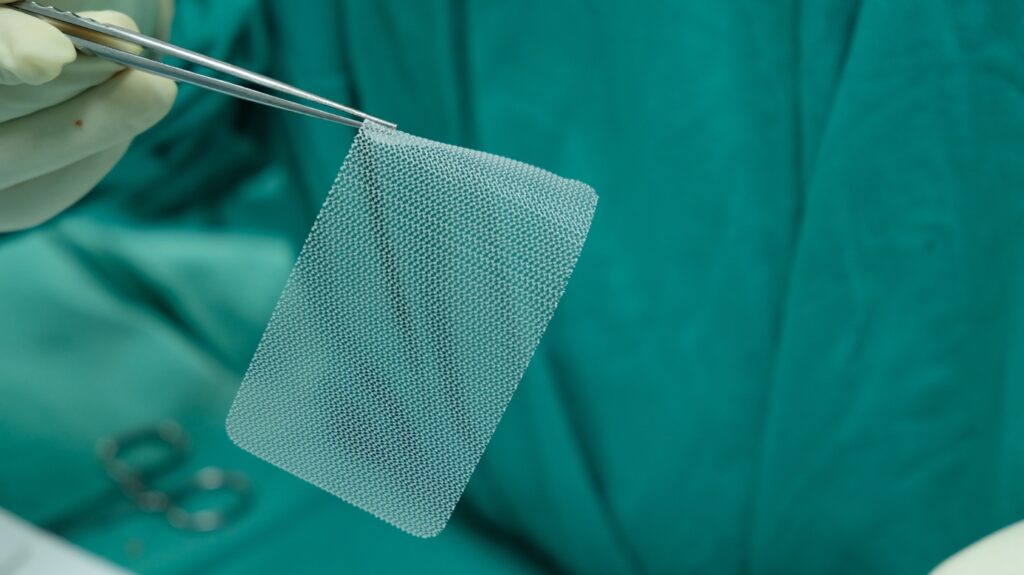
My goal is to make the procedure as smooth and stress-free as possible, ensuring you feel confident in your care plan.
Recovering from Incisional Hernia Repair
After your surgery, my team and I will continue to support you through the recovery process. Most patients can expect a relatively quick recovery period, but it’s essential to follow post-treatment care instructions to achieve the best outcomes.
Recovery Timeline:
- You can return to light activities within a week, but full recovery may take 4-6 weeks.
- Avoid heavy lifting for at least 4-6 weeks to prevent strain on the repaired area.
Tips for a Smooth Recovery:
- Follow all post-operative instructions carefully.
- Gradually resume physical activities as advised.
- Maintain good wound care to prevent infection.
- Attend follow-up appointments to monitor your progress.
Remember, recovery is a journey. If you have any concerns during your recovery, don’t hesitate to reach out to me or my team.
Why Patients Trust Me, Dr. Ganesh Ramalingam
When you choose to work with me, you’re not just another patient—you’re a partner in your health journey. With over 20 years of experience in minimally invasive techniques, I’m committed to providing care that prioritizes your comfort, recovery, and long-term well-being.
To better serve my Indonesian patients, I have a dedicated team in Indonesia ready to assist with inquiries, appointments, and initial coordination. In Singapore, my concierge team ensures a seamless treatment journey, from your first consultation to post-procedure care. Both teams are fluent in Bahasa Indonesia, ensuring you feel supported every step of the way.
At G&L Surgical Clinic, we create a welcoming environment where you feel heard, respected, and empowered to make meaningful changes to your health. Let’s work together to achieve the best possible outcomes for your health and well-being.
FAQs
- What is an incisional hernia?
An incisional hernia occurs when tissue pushes through a weakened spot in the abdominal wall at the site of a previous surgical incision. - Is an incisional hernia dangerous?
If left untreated, an incisional hernia can grow larger and lead to complications like bowel obstruction or strangulation, which require emergency care. - What causes an incisional hernia?
Incisional hernias are caused by weakened abdominal muscles following surgery, especially in patients with risk factors like obesity or heavy lifting. - Can an incisional hernia heal without surgery?
In most cases, surgery is required to repair an incisional hernia, as the condition does not heal on its own. - Is surgery for an incisional hernia safe?
Laparoscopic hernia repair is a safe and effective procedure with minimal risks and faster recovery times compared to traditional open surgery.
Conclusion
Incisional hernias are a common complication after abdominal surgery, but they don’t have to disrupt your life. With advanced laparoscopic techniques, I offer safe, effective repair options that minimize recovery time and discomfort.
If you’re experiencing discomfort or a bulge near a previous surgical site, don’t wait for the issue to worsen. Reach out to my dedicated Indonesian team for seamless support, from inquiries to appointments. We’re ready to assist with any questions you have and help coordinate your visit to Singapore.
Let’s take the first step toward better health—together.