- Written Dr Ganesh Ramalingam
- Date: January 10, 2025
- Reading Time: 6 minutes

Dr Ganesh Ramalingam, MBBS, M.Med, MRCS, FRCS
Table of Contents
Understanding Laparoscopic vs. Open Surgery
What is Open Surgery?
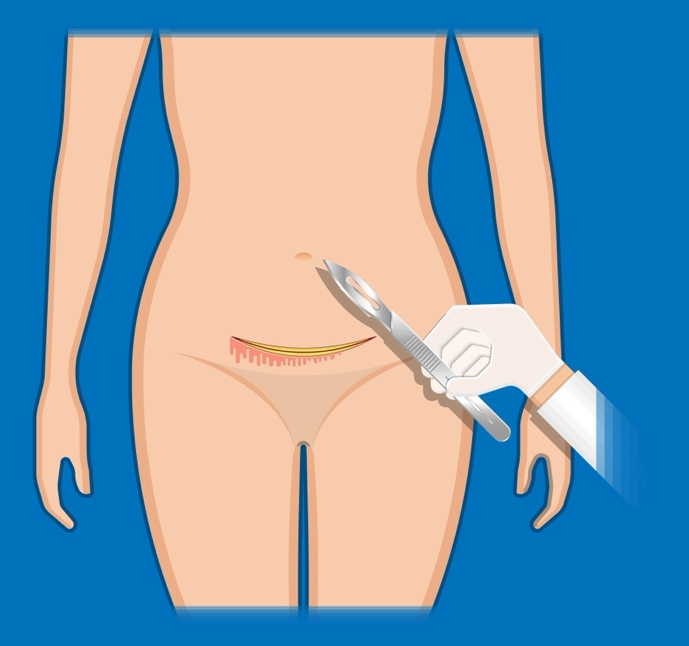
Open surgery, or traditional surgery, involves making a larger incision to directly access the surgical site. This allows surgeons to view and handle internal structures with precision. It is commonly used for complex procedures or emergencies where full visibility of organs is essential, such as heart surgeries or trauma repairs.
While effective, open surgery often leads to longer recovery times, increased scarring, and a higher risk of complications compared to minimally invasive techniques. While open surgery remains vital for complex or emergency cases, its limitations highlight the advantages of laparoscopic techniques for most procedures.
What is Laparoscopic Surgery?
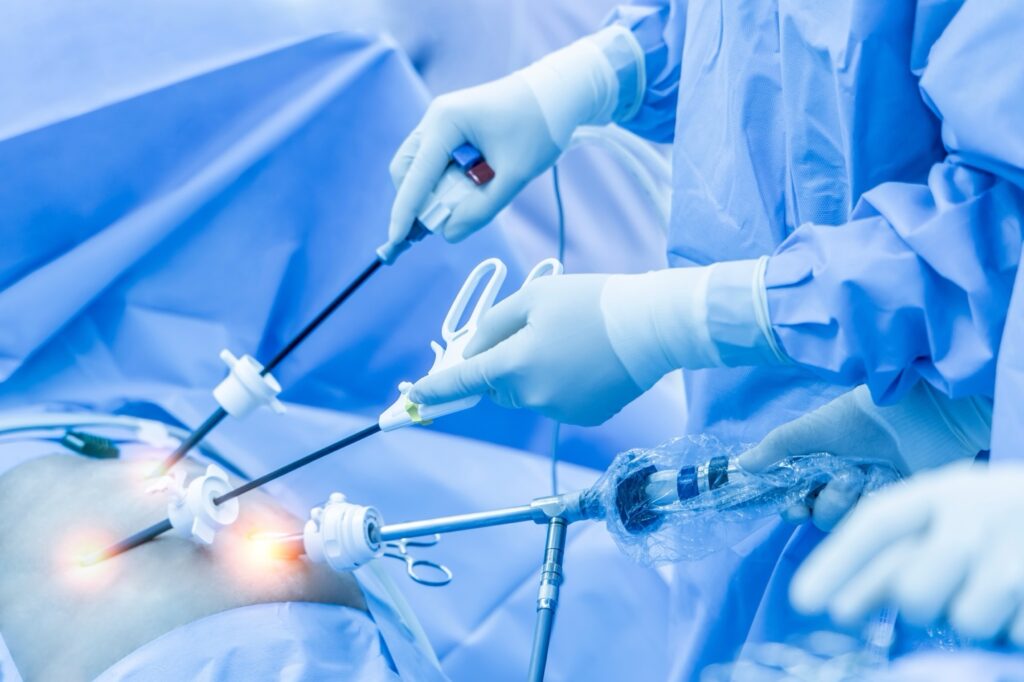
Laparoscopic surgery, often called minimally invasive surgery, is a modern technique that uses small incisions and advanced tools to perform procedures. A tiny camera, called a laparoscope, is inserted through one of these incisions, providing a magnified, real-time view of the surgical site on a monitor.
Laparoscopic surgery is commonly used for procedures like hernia repairs, gallbladder removal, and colon surgeries, including treatment for colorectal cancer and diverticulitis. By avoiding large incisions, this approach reduces recovery time, minimizes scarring, and lowers the risk of complications, making it ideal for treating a wide range of conditions.
With its precision and efficiency, this technique has revolutionized surgery, making treatments safer and more convenient for patients.
Benefits of Laparoscopic Surgery
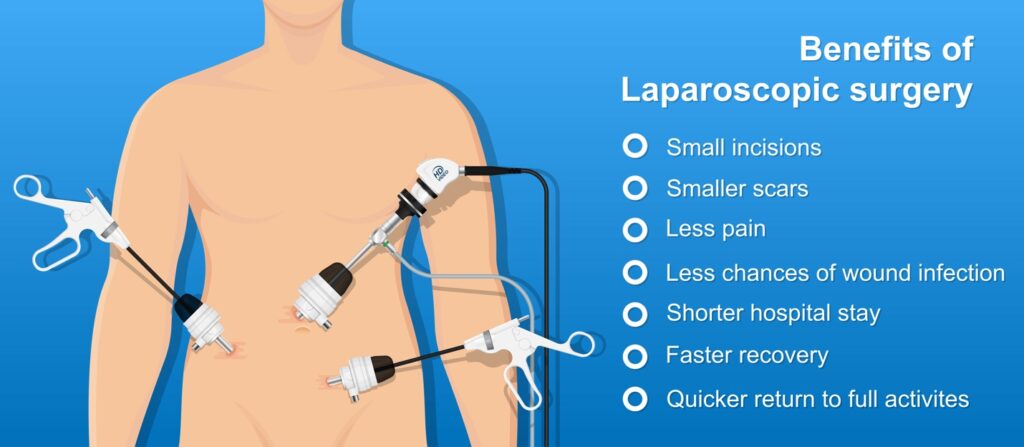
Laparoscopic surgery offers several advantages over traditional open surgery. With small incisions, patients experience minimal scarring, less post-operative pain, and faster recovery times. Many can resume normal activities within days, and the shorter hospital stays significantly reduce the risk of infections and promote quicker overall healing.
The smaller incisions also mean less post-operative pain and a reduced need for pain medication. In most cases, patients experience shorter hospital stays, with some even able to go home the same day.
Overall, laparoscopic surgery provides a safer option, offering reduced blood loss, lower risk of complications, and improved comfort for patients.
Comparison: Laparoscopic vs. Open Surgery
Laparoscopic procedures involve small incisions, resulting in minimal scarring, less pain, and quicker recovery times compared to open surgery. However, open surgery may still be required for complex cases or emergencies that demand full access to internal organs, making each method essential in its own context.
In contrast, open surgery requires larger incisions, which can lead to longer hospital stays, more noticeable scars, and a higher risk of complications like infections or hernias. While open surgery is necessary for certain cases, laparoscopic surgery is typically the more patient-friendly and efficient choice for most conditions.
Safety and Effectiveness of Laparoscopic Surgery
Advancements in technology have made laparoscopic surgery safer and more precise, with high success rates and fewer complications than traditional methods. Its minimally invasive nature reduces the risk of complications such as wound infections and excessive bleeding, making it a safer alternative to open surgery for many procedures.
Extensive research has shown that laparoscopic surgery delivers excellent outcomes. Patients experience fewer post-operative issues like hernias at the incision site and recover more quickly.
This technique has become a reliable and effective choice for many, offering a smoother recovery and improved overall results.
Common Conditions Treated with Laparoscopic Surgery
Laparoscopic surgery is a highly effective approach for treating a range of lower gastrointestinal (GI) conditions. For example, gallbladder removal is one of the most common laparoscopic procedures, performed to treat gallstones that cause pain or infection. Hernia repairs can also be addressed laparoscopically, allowing patients to recover more quickly and with less discomfort.
Laparoscopic techniques excel in colon surgeries, addressing conditions such as diverticulitis, colorectal cancer, and inflammatory bowel disease. These procedures involve smaller incisions, reducing pain, lowering infection risks, and ensuring faster recovery, allowing patients to return to their routines sooner than with traditional methods.
By offering faster recovery and less disruption to daily life, laparoscopic surgery has become an excellent option for patients requiring lower-GI procedures.
Dr. Ganesh Ramalingam’s Expertise in Laparoscopic Surgery
With over 20 years of experience in minimally invasive surgery, I am committed to providing personalized care that prioritizes your comfort and recovery. My expertise includes treating a variety of conditions, such as hernia repairs and upper gastrointestinal issues, using advanced laparoscopic techniques tailored to each patient’s unique needs. I focus on addressing the root causes of your condition to create effective and individualized treatment plans.
For patients traveling from Indonesia, our dedicated team is here to assist with inquiries, appointment scheduling, and initial coordination. In Singapore, our concierge team ensures a seamless treatment journey—from your first consultation to post-surgery recovery. Both teams are fluent in Bahasa Indonesia, making communication smooth and ensuring you feel supported every step of the way.
At G&L Surgical Clinic, we are dedicated to creating a welcoming and inclusive environment. Whether you need surgical care or guidance toward healthier habits, my team and I are here to support your journey to long-term health and well-being.
FAQs: Your Questions About Laparoscopic Surgery Answered
Laparoscopic surgery is a transformative approach to treatment, but you may have questions. Below, I’ve addressed common concerns to help you feel informed and confident.
- What is laparoscopic surgery?
It’s a minimally invasive procedure using small incisions and a camera, reducing recovery time, scarring, and post-operative pain. - How does it compare to open surgery?
Laparoscopic surgery typically results in less pain, faster recovery, shorter hospital stays, and fewer complications compared to open surgery. - What conditions can laparoscopic surgery treat?
It’s effective for hernia repairs, gallbladder removal, bariatric procedures, colon surgeries, and certain gynecological or urological treatments. - Is laparoscopic surgery safe?
Yes, it’s a safe and proven method with high success rates, especially for routine procedures and when performed by experienced surgeons. - How long is recovery after laparoscopic surgery?
Most patients recover in 1–2 weeks and can resume daily activities much faster than after traditional open surgery.
Laparoscopic surgery offers a quicker recovery, less pain, and fewer complications, making it an excellent choice for many conditions. At G&L Surgical Clinic, we’re here to provide expert care and personalized support. Contact our Indonesian team today to schedule your consultation and begin your journey toward improved health and well-being.