- Written Dr Ganesh Ramalingam
- Date: January 10, 2025
- Reading Time: 4-5 minutes
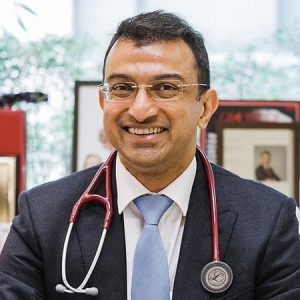
Dr Ganesh Ramalingam, MBBS, M.Med, MRCS, FRCS
Table of Contents
Introduction
Welcome! I’m Dr. Ganesh Ramalingam. With over 20 years of experience, I’ve dedicated my career to transforming lives through advanced, compassionate care.
Obesity is a growing health concern worldwide, including in Indonesia, where more individuals are facing challenges linked to excessive weight. Bariatric surgery offers an effective and lasting solution for people struggling with severe obesity, especially when conventional methods like diet and exercise fall short.
By focusing on minimally invasive procedures, I ensure that my patients experience shorter recovery times, minimal scarring, and the best possible outcomes. Together, we can take meaningful steps toward a healthier future.
Understanding Obesity
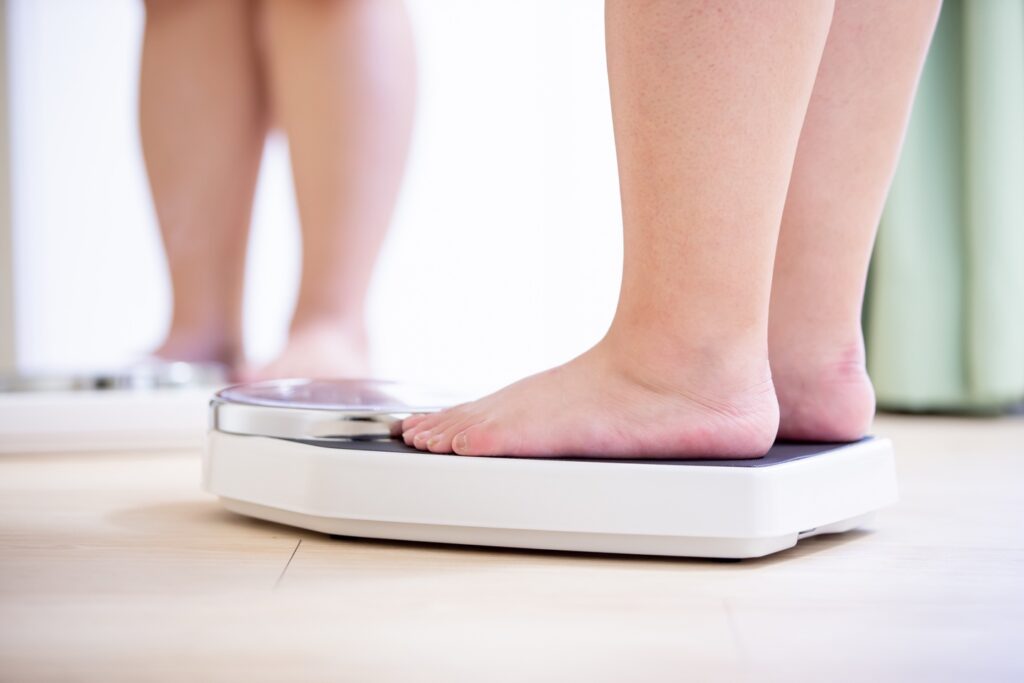
Obesity is not just about weight—it’s a serious health condition that can affect your energy, confidence, and overall quality of life.
It is typically measured using the Body Mass Index (BMI), where a BMI of 30 or higher is considered obese. Unfortunately, obesity can increase the risk of chronic illnesses such as heart disease, type 2 diabetes, and joint problems, all of which can significantly impact your quality of life.
There are many reasons why obesity occurs. For some, it’s a result of lifestyle factors like unhealthy eating habits and lack of exercise. For others, genetics and environmental factors, such as cultural norms or limited access to healthy food, play a role. Understanding the root causes is essential in finding the right solutions to manage weight and improve overall well-being.
Bariatric Surgery Overview
Bariatric surgery is a transformative solution for those struggling with severe obesity. It’s designed to help individuals lose weight by altering the digestive system, making it easier to manage weight and improve overall health.
This surgery is often considered when other methods, like dieting and exercise, haven’t worked and obesity-related health issues have become a serious concern.
Not everyone is a candidate for bariatric surgery. Typically, it’s recommended for those with a BMI of 40 or higher, or 35 and above if they have conditions like diabetes or hypertension.
The surgery works in two main ways: by restricting the stomach’s capacity or by changing how the body absorbs nutrients. With minimally invasive techniques like laparoscopic surgery, patients benefit from faster recovery, less pain, and minimal scarring.
Types of Bariatric Surgery Offered by Dr. Ganesh Ramalingam
I offer several advanced bariatric procedures, each tailored to meet the unique needs of my patients. Here’s a brief overview of the options available:
- Laparoscopic Gastric Bypass (Roux-en-Y): This surgery creates a small stomach pouch and bypasses part of the intestine, helping you eat less and absorb fewer calories. It’s often referred to as the “gold standard” of bariatric surgery.

- Sleeve Gastrectomy: This surgery removes about 80% of the stomach, leaving a smaller, sleeve-shaped stomach. It limits how much you can eat and reduces hunger hormones, making it an effective and simpler option with fewer nutritional concerns.

- Laparoscopic Adjustable Gastric Banding: Here, an adjustable band is placed around the upper stomach, creating a smaller stomach pouch. It’s one of the least invasive methods and offers flexibility as the band can be adjusted or removed if necessary.
Each of these procedures is performed using minimally invasive techniques to ensure quicker recovery and better outcomes for my patients.
Dr. Ganesh's Approach to Bariatric Surgery
My approach to bariatric surgery combines advanced surgical techniques with a deep commitment to holistic patient care.
I specialize in minimally invasive laparoscopic procedures, which allow for smaller incisions, faster recovery, and minimal scarring. These techniques ensure that my patients experience less pain and return to their daily activities sooner.
Surgery is only part of the journey. I work closely with a multidisciplinary team—including dietitians, psychologists, and physiotherapists—to provide comprehensive support. Together, we focus on long-term health, addressing not just weight loss but also sustainable lifestyle changes that enhance overall well-being and quality of life.
The Benefits of Minimally Invasive Bariatric Surgery
Minimally invasive bariatric surgery offers numerous advantages, making it the preferred choice for patients and surgeons alike.
By using laparoscopic techniques, the procedure involves smaller incisions, leading to quicker recovery times, less pain, and reduced scarring. Patients can often return to their normal activities within days, compared to weeks with traditional open surgery.
These techniques also minimize the risk of complications such as infections or hernias. Shorter hospital stays not only enhance convenience but also reduce healthcare costs.
By combining effectiveness with safety, minimally invasive bariatric surgery ensures better outcomes and an overall smoother recovery journey.
Lifestyle Changes Post-Surgery
Bariatric surgery is a powerful tool, but it’s just the beginning of a lifelong journey. After surgery, adopting healthy habits is essential to maintain weight loss and improve overall well-being. This includes following a balanced diet, practicing portion control, and engaging in regular physical activity.
I work closely with my patients to ensure they’re supported every step of the way. From personalized dietary plans to regular follow-ups, my team and I provide guidance to help patients make sustainable lifestyle changes. With commitment and the right support, bariatric surgery can lead to lasting health improvements and a better quality of life.
Long-Term Results of Bariatric Surgery
Bariatric surgery offers long-term benefits that extend beyond significant weight loss. Many patients experience improvements in obesity-related conditions, such as diabetes, hypertension, and sleep apnea. For example, studies show high rates of type 2 diabetes remission and better management of cardiovascular health following surgery.
Sustained weight loss also leads to enhanced mobility, reduced joint pain, and an overall better quality of life. My patients often report renewed energy and confidence, allowing them to engage more fully in daily activities. With proper lifestyle changes and regular follow-ups, bariatric surgery delivers lasting results that transform lives for the better.
What to Expect When You Consult Dr. Ganesh Ramalingam for Bariatric Surgery?
Frequently Asked Questions About Bariatric Surgery
1. What is bariatric surgery?
Bariatric surgery alters the stomach or digestive system to promote weight loss and improve obesity-related health conditions like diabetes and hypertension.
2. Could bariatric surgery be right for me?
If your BMI is 35+ and you have health concerns, or 40+ without, surgery could be a life-changing option.
3. What are the benefits of minimally invasive surgery?
Minimally invasive techniques reduce pain, scarring, and recovery time, allowing you to return to daily activities faster.
4. What lifestyle changes are needed after surgery?
Sustainable changes in diet, exercise, and regular follow-ups are essential for maintaining weight loss and improving overall well-being.
5. How does Dr. Ganesh support Indonesian patients?
Dr. Ganesh’s Indonesian office and multilingual team ensure smooth communication, making your healthcare journey stress-free and personalized.
Bariatric surgery is a life-changing step toward better health and confidence. With my expertise and dedicated Indonesian office, your journey will be smooth and supportive. Contact us today to take the first step toward a healthier you—we’re ready to help make it happen!