- Written Dr Ganesh Ramalingam
- Date: January 10, 2025
- Reading Time: 7 - 8 minutes
Dr Ganesh Ramalingam, MBBS, M.Med, MRCS, FRCS
Table of Contents
A Holistic Approach to Colorectal Health
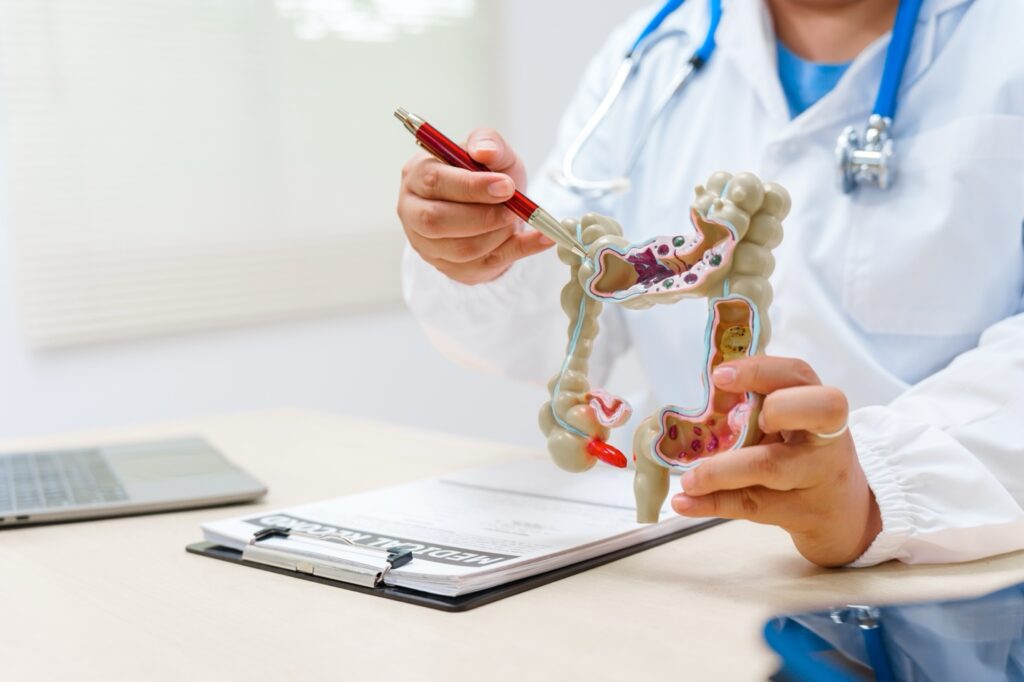
Colorectal conditions can disrupt your well-being, causing discomfort and serious complications if left untreated. Your colon and rectum play essential roles in digestion and waste elimination, directly impacting your vitality.
Timely diagnosis and holistic treatment not only alleviate symptoms but also address the root causes, ensuring long-lasting health improvements and an enhanced quality of life. With compassionate care tailored to individual needs, patients are empowered to take proactive steps toward recovery and long-term well-being.
Common Colorectal Conditions
1. Colorectal Cancer
Colorectal cancer (CRC) is an emerging public health concern in Indonesia, with an estimated 34,189 new cases reported in 2020, making it the 4th most common cancer in the country. Early detection significantly improves outcomes, especially since over 30% of CRC cases in Indonesia occur in patients under 40 years old—a notably higher rate than in developed nations. Diagnostic tools like colonoscopy are vital for identifying abnormalities early, significantly improving treatment outcomes and survival rates. Early-stage cases often involve minimally invasive surgical removal, whereas advanced cases may require a combination of surgery, chemotherapy, and radiation.
2. Diverticular Disease
Diverticular disease occurs when small pouches form in the colon walls, which may become inflamed or infected, causing diverticulitis. Symptoms can include abdominal pain and bloating, with severe cases potentially necessitating surgical intervention. Understanding the progression from asymptomatic diverticulosis to symptomatic conditions like diverticulitis is critical, as highlighted by this comprehensive review. By addressing this condition holistically, we can support both immediate relief and long-term health.
3. Polyps of the Colon and Rectum
4. Intestinal Obstruction
5. Perianal Abscess
Advanced Surgical Solutions
- Open Surgery for Complex Cases: For severe or advanced-stage conditions, traditional open surgery remains an essential option. This approach allows for thorough access and treatment of large tumors or extensive complications, ensuring comprehensive care.
- Endoscopic Procedures: Ideal for diagnosing and treating early-stage issues, endoscopic techniques offer a non-invasive approach to removing polyps or managing bleeding in the colon and rectum.
- Robotic-Assisted Surgery: Leveraging advanced robotics, this technique enhances precision, flexibility, and control during procedures, particularly in intricate cases like pelvic surgeries.
- Emergency Interventions: For urgent conditions such as intestinal obstructions or perforations, rapid surgical intervention is critical. These procedures aim to stabilize the patient and restore normal bowel function.
- Smaller Incisions: Resulting in less scarring and faster healing times for minimally invasive options.
- Reduced Post-Operative Discomfort: Enhancing the recovery experience and minimizing complications.
Improved Surgical Precision: Advanced tools and robotics ensure highly targeted treatments with minimal impact on surrounding tissues. - Comprehensive Access in Open Surgery: For cases requiring extensive intervention, this approach guarantees thorough care.
Spotlight on Laparoscopic Surgery
Key features of laparoscopic surgery include:
- Enhanced Visualization: The use of a high-definition camera allows for detailed views of the surgical area, ensuring accuracy.
- Minimal Physical Impact: Smaller incisions mean less disruption to surrounding tissues, leading to quicker recovery and less scarring.
- Broad Applicability: From removing tumors to repairing intestinal blockages, laparoscopic surgery is versatile and effective.
Patients who undergo laparoscopic surgery benefit from:
- Shorter Hospital Stays: Many procedures allow for same-day or next-day discharge.
- Faster Recovery: Return to daily activities in a matter of days rather than weeks.
- Reduced Post-Operative Pain: Smaller incisions significantly lower discomfort during recovery.
What to Expect During Treatment
1. Before Surgery
Preparation is critical for successful outcomes. Key steps include:
- Comprehensive Diagnostics: Colonoscopies and imaging tests, such as CT scans, provide detailed insights into the condition, enabling a tailored surgical plan.
- Pre-Operative Instructions: Patients receive clear guidance on dietary adjustments, medication management, and pre-surgery routines to optimize their readiness.
- Patient Education: Information about the laparoscopic procedure is shared to build confidence and address any concerns.
2. During Surgery
3. Post-Surgery Recovery
The recovery process is streamlined and supported through:
- Personalized Recovery Plans: Patients receive tailored advice on wound care, nutrition, and activity levels to promote healing.
- Shortened Hospital Stays: Most laparoscopic procedures enable next-day discharge, allowing patients to recover comfortably at home.
- Follow-Up Care: Regular check-ins ensure recovery is on track, with adjustments made as needed to support long-term health.
- Focus on Sustainable Health: Guidance on lifestyle changes and preventive measures helps reduce the risk of recurrence and supports overall well-being.
Why Patients Trust Dr. Ganesh Ramalingam
With over 20 years of experience in minimally invasive techniques, including advanced laparoscopic procedures, Dr. Ganesh Ramalingam is dedicated to delivering care that prioritizes your comfort, recovery, and long-term health. His approach addresses not just symptoms but the root causes, delivering care personalized to each patient’s situation.
To support his Indonesian patients, Dr. Ganesh has a dedicated team in Indonesia ready to assist with inquiries, appointments, and initial coordination. In Singapore, his concierge team ensures a seamless treatment journey, from your first consultation to post-procedure care. Both teams are fluent in Bahasa Indonesia, making your experience smooth, comfortable, and stress-free at every step.
At G&L Surgical Clinic, Dr. Ganesh and his team are committed to providing world-class care in a welcoming and inclusive environment. His goal is to empower every patient with the understanding and support they need to achieve lasting health and well-being.

FAQs About Colorectal Surgery
Patients often have questions about colorectal surgery. Here are detailed answers to some of the most common concerns:
- What are the signs I might need surgery?
Symptoms like persistent abdominal pain, unexplained changes in bowel habits, rectal bleeding, or sudden weight loss may indicate the need for medical evaluation. Early detection can significantly improve treatment outcomes. - How does laparoscopic surgery differ from traditional surgery?
Laparoscopic surgery is minimally invasive, using small incisions and advanced camera-guided tools. This results in less post-operative pain, shorter recovery times, and smaller scars compared to traditional open surgery. - How long does recovery take?
Recovery times vary by individual and procedure, but most laparoscopic surgery patients can resume light activities within a few days and fully recover within weeks. Open surgery may require a longer recovery period. - What risks are associated with colorectal surgery?
As with any surgery, there are risks of infection, bleeding, or complications. However, advancements in techniques, especially laparoscopic procedures, have minimized these risks significantly. - Can colorectal conditions return after surgery?
While recurrence is uncommon, lifestyle changes and regular follow-ups are essential to reducing the risk of conditions like diverticulitis or cancer returning. - What can I expect during follow-up care?
Follow-up care typically includes regular consultations, imaging tests if needed, and discussions about dietary or lifestyle adjustments to maintain long-term health. - Is laparoscopic surgery suitable for all colorectal conditions?
Laparoscopic surgery is ideal for many conditions, including colorectal cancer, polyps, and diverticulitis. However, some complex or advanced cases may require open surgery. Your surgeon will recommend the best approach for your situation.
By addressing these questions comprehensively, patients can feel more informed and confident about their treatment journey.