- Written Dr Ganesh Ramalingam
- Reading Time: 8-9 minutes
Do you often feel discomfort or notice a persistent bulge in your abdomen? If so, you’re not alone, and it’s time to take control of your health. Hernias can significantly impact your quality of life, but with advanced medical care, relief and recovery are closer than you think.

Dr Ganesh Ramalingam, MBBS, M.Med, MRCS, FRCS
Table of Contents
Introduction
Living with a hernia often brings discomfort and disrupts daily life, affecting not only physical health but emotional well-being. Whether it’s the constant pain or the impact on your daily routine, hernias can significantly diminish your quality of life. Left untreated, hernias may lead to complications such as strangulation or obstruction, creating more serious health risks.
This page is designed to provide a comprehensive understanding of hernias, explore advanced treatment options, and guide you toward effective solutions. With minimally invasive surgical techniques, patients can achieve relief and recovery with less downtime and reduced discomfort.
What is a Hernia?
A hernia occurs when an internal organ or fatty tissue protrudes through a weak spot in the surrounding muscle or connective tissue, leading to visible bulges and discomfort that can interfere with daily activities. Factors like heavy lifting, chronic coughing, pregnancy, or obesity can exacerbate the condition.
Symptoms can range from mild discomfort to severe pain, often worsening with activities like standing, bending, or straining. Understanding the specific type of hernia is crucial for determining the most effective treatment.
Common types of hernias include:
- Inguinal Hernias: These are the most common, occurring in the groin area, and are more prevalent in men.
- Umbilical Hernias: These develop around the belly button and can affect people of all ages.
- Hiatal Hernias: These involve the stomach pushing through the diaphragm, often causing symptoms like acid reflux.
- Femoral Hernias: Less common and often seen in women, these occur in the upper thigh near the groin.
Why Treat Hernias Early?
Early diagnosis and treatment of hernias are crucial to prevent complications and improve outcomes. Hernias do not resolve on their own and often worsen over time. Addressing hernias promptly ensures smoother recovery and improves overall quality of life. Advances in surgical technology now offer minimally invasive solutions for effective and efficient care.
Types of Hernias Treated
Understanding the various types of hernias is the first step in determining the most effective treatment. Each hernia type presents unique challenges, but advancements in medical technology now offer a wide array of solutions tailored to individual needs. From non-invasive monitoring to cutting-edge surgical techniques, patients can explore treatments that suit their condition and lifestyle.
Inguinal Hernias
Inguinal hernias are the most common type, accounting for 70-75% of all abdominal wall hernias. They often present as a noticeable bulge in the groin area and may cause aching or burning sensations during physical activities such as lifting, coughing, or prolonged standing. Over time, untreated inguinal hernias can enlarge and lead to increased pain and complications.
Minimally invasive laparoscopic repair is an effective treatment option. This technique uses small incisions and specialized instruments, reducing trauma to surrounding tissues. Patients benefit from faster recovery times and less post-operative discomfort compared to traditional open surgery.
Umbilical Hernias
Umbilical hernias occur near the navel and are frequently seen in infants, pregnant women, and individuals experiencing excessive abdominal pressure due to obesity. These hernias often manifest as a soft bulge that becomes more prominent with standing or straining.
In adults, surgical intervention is usually recommended to prevent complications. Minimally invasive methods provide precise and effective repair, ensuring a seamless recovery process while restoring comfort and mobility.
Hiatal Hernias
Hiatal hernias differ from other types as they occur in the chest cavity, involving the stomach pushing through the diaphragm. They are commonly associated with symptoms such as persistent heartburn, acid reflux, chest pain, and difficulty swallowing, which can significantly impact eating and overall comfort. Common symptoms include persistent heartburn, acid reflux, and difficulty swallowing. Left untreated, hiatal hernias can lead to chronic gastroesophageal reflux disease (GERD).
Laparoscopic repair involves repositioning the stomach and reinforcing the diaphragm. This advanced approach provides long-term relief from symptoms, helping patients regain their quality of life and avoid future complications.
Other Hernias
Other types, such as femoral, incisional, and epigastric hernias, though less common, also require careful attention. Femoral hernias, typically seen in women, occur near the upper thigh and carry a high risk of strangulation. Incisional hernias may develop at the site of previous surgical scars, while epigastric hernias arise in the upper abdomen.
Minimally invasive surgical techniques offer tailored solutions for these hernias, ensuring comprehensive care and optimal outcomes for patients across all categories.

Advanced Treatment Options
Overview of Advanced Treatment Approaches
For example, small, asymptomatic hernias such as minor umbilical hernias may benefit from watchful waiting, while large or symptomatic hernias like inguinal or femoral hernias are often best addressed with minimally invasive or open surgery. Each option is chosen to suit the unique needs of the patient.
- Watchful Waiting: For small, asymptomatic hernias, a non-surgical approach may be appropriate. This involves regular monitoring to ensure the hernia does not worsen over time.
- Open Surgery: Traditional open repair involves a single large incision to access the hernia site. This option is often chosen for complex cases or when minimally invasive methods are unsuitable.
- Non-Mesh Repairs: For patients where mesh is contraindicated, tissue-based repairs such as the Shouldice technique are an option, especially for smaller hernias.
- Laparoscopic Surgery: The most commonly recommended option for its minimally invasive nature and faster recovery times.
Minimally Invasive Surgery (Laparoscopy)
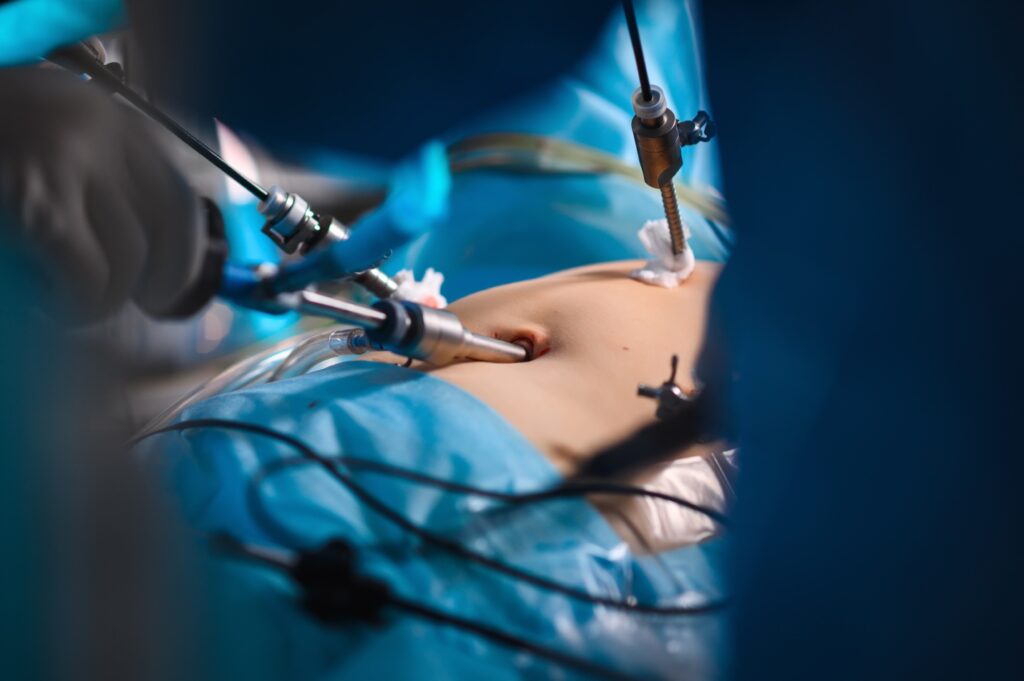
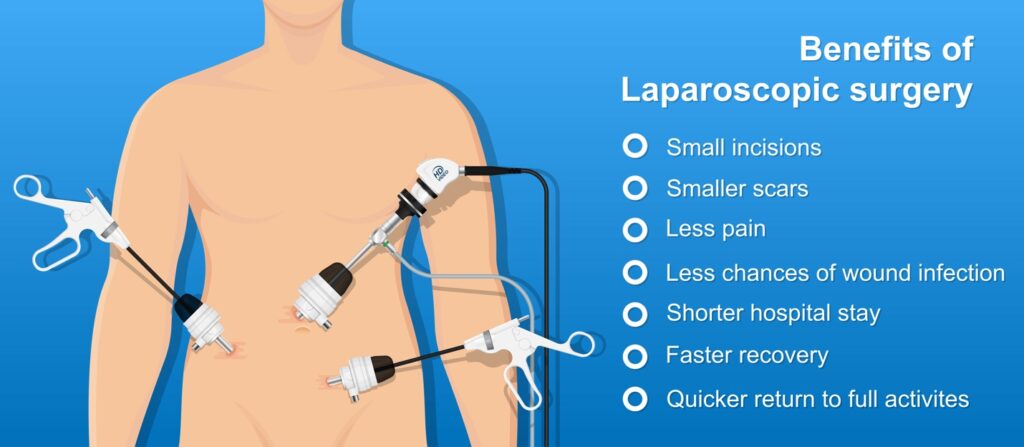
Laparoscopy represents a significant advancement in hernia treatment. Discover more about laparoscopic hernia repair. This method uses a high-definition camera and specialized instruments to perform repairs through small incisions, minimizing damage to surrounding tissues and offering benefits such as:
- Smaller incisions and reduced scarring.
- Lower risk of infection.
- Quicker recovery times and return to normal activities.
Benefits of Laparoscopic Surgery
Minimally invasive laparoscopic surgery provides several advantages over traditional methods:
- Reduced Pain: Smaller incisions result in less post-operative discomfort.
- Faster Recovery: Most patients resume light activities within a few days and full activities within weeks.
- Improved Aesthetics: Small, precise incisions mean minimal scarring.
- Lower Risk of Recurrence: The use of surgical mesh reinforces the repair, reducing the likelihood of the hernia returning.
By combining cutting-edge technology with a patient-centered approach, advanced treatment options ensure that hernia patients receive comprehensive care tailored to their unique needs.
What to Expect from Hernia Surgery
Before Surgery
Preparation for hernia surgery begins with a thorough consultation and diagnostic evaluation. Patients can expect to undergo physical examinations, imaging tests such as ultrasounds or CT scans, and discussions about their medical history. This ensures that the chosen treatment plan is tailored to their specific needs.
Patients are advised to follow preoperative instructions, which may include fasting and temporarily adjusting certain medications. These steps help to optimize the procedure and minimize risks.
During Surgery
Hernia repair surgery typically takes place under general anesthesia. During laparoscopic surgery, the surgeon makes small incisions to insert a camera and specialized instruments. The hernia is repaired by repositioning the displaced tissue and reinforcing the weakened area with surgical mesh, if necessary.
The use of advanced techniques ensures precision and minimizes trauma to surrounding tissues, reducing the risk of complications.
After Surgery
Most patients who undergo laparoscopic hernia repair can go home the same day or the day after surgery. Learn more about recovery expectations. Recovery is typically quick, with patients returning to light activities within 1-2 weeks and achieving full recovery in 4-6 weeks. Regular follow-up appointments ensure proper healing and address any concerns.
Why Patients Trust Dr. Ganesh
With over 20 years of expertise in minimally invasive techniques, Dr. Ganesh Ramalingam is dedicated to delivering patient-centered care that prioritizes recovery and long-term health. By addressing both the symptoms and root causes of hernias, he ensures personalized solutions that empower patients to lead healthier lives. His holistic approach ensures that every treatment plan is not just effective but also tailored to address the root causes of the condition, promoting long-term health and recovery.
Supporting his commitment to seamless patient care, Dr. Ganesh has established a dedicated team in Indonesia to assist with appointments, inquiries, and coordination, ensuring a smooth experience for his Indonesian patients. Fluent in Bahasa Indonesia, this team bridges the gap between countries, making the journey stress-free. Meanwhile, his Singapore-based concierge team ensures comprehensive support from consultation to recovery, creating a truly patient-centered experience.
At G&L Surgical Clinic, patients receive world-class treatment in a warm and inclusive environment. Dr. Ganesh’s mission is to empower patients with knowledge and personalized care, helping them regain confidence and achieve lasting wellness.
FAQs About Hernias and Surgery
- What are the signs that I might need hernia surgery?
Common signs include a noticeable bulge in the abdomen or groin, discomfort during physical activities, and symptoms like persistent heartburn or difficulty swallowing for hiatal hernias. If you experience sudden, severe pain or symptoms of obstruction, seek immediate medical attention. - Is laparoscopic surgery safe for all hernia types?
Laparoscopic surgery is generally safe and effective for many hernia types, including inguinal, umbilical, and hiatal hernias. However, the suitability depends on factors like the hernia’s size, location, and the patient’s overall health. A consultation with a specialist will help determine the best approach. - How long is the recovery process?
Recovery times vary depending on the hernia type and surgical method, but most patients return to light activities within days. With minimally invasive laparoscopic surgery, full recovery is often achieved within 4-6 weeks, allowing patients to quickly resume their regular routines. - Can hernias come back after surgery?
While hernia recurrence is rare with modern techniques, it is still a possibility, especially if underlying risk factors like heavy lifting or obesity are not managed. The use of surgical mesh significantly reduces recurrence rates. - What lifestyle changes can help prevent hernias?
Maintaining a healthy weight, avoiding heavy lifting, treating chronic coughs, and incorporating core-strengthening exercises can help reduce the risk of hernia development or recurrence.
Conclusion
Hernias, while common, can have a significant impact on daily life if left untreated. The good news is that advancements in medical care, particularly minimally invasive techniques, have made treatment more effective and recovery quicker than ever before. From understanding the different types of hernias to exploring a wide range of advanced treatment options, this page aims to equip you with the knowledge needed to take control of your health.
If you or a loved one are experiencing symptoms of a hernia, don’t wait to seek help. Dr. Ganesh and his dedicated team in Indonesia and Singapore are here to guide you every step of the way. Contact our Indonesian office today to schedule a consultation or learn more about your treatment options. Together, we’ll work toward a solution that prioritizes your health, comfort, and long-term well-being.