
- Written Dr Ganesh Ramalingam
- Reading Time: 6-7 minutes
Colon cancer can feel overwhelming, but early detection and modern treatments like laparoscopic surgery make recovery easier and faster. Imagine returning to your daily life quickly, with less pain and fewer scars. Take control of your health—understanding your options is the first step toward peace of mind.

Dr Ganesh Ramalingam, MBBS, M.Med, MRCS, FRCS
Table of Contents
Colon Cancer: What You Need to Know to Protect Your Health
Colon cancer often begins as small, harmless polyps in the large intestine, which can turn cancerous over time. Thankfully, early detection can make a significant difference in treatment success.

Common signs include changes in bowel habits, fatigue, abdominal discomfort, or unexplained weight loss. If you notice these, don’t wait—seeking advice early can make a big difference.
Screening is one of the most powerful tools we have. It helps us find and remove polyps before they turn into cancer. Together, we can take steps toward better health and peace of mind.
Causes and Risk Factors of Colon Cancer
Colon cancer is often the result of multiple factors. Age plays a big role, with most cases occurring in people over 50. Family history can also increase your risk, especially if a close relative has had colon cancer.
Lifestyle factors matter, too. A diet high in fat and low in fiber, smoking, and heavy alcohol use can raise your chances. Obesity and physical inactivity add to the risk.
Regular screening is essential, especially if you have risk factors. It’s a proactive step that can prevent cancer and improve treatment outcomes.
General Treatment Options for Colon Cancer
Treating colon cancer often starts with surgery, especially in its early stages. Surgery aims to remove the cancer and restore normal bowel function. In advanced cases, treatments like chemotherapy and radiation therapy may be used to target cancer that has spread.
Minimally invasive techniques, such as laparoscopic surgery, are becoming more common. Compared to traditional open surgery, these methods involve smaller incisions, faster recovery, and less pain.
Every treatment plan is unique and depends on the stage of cancer and individual health factors. With early detection and the right care, colon cancer can be effectively managed for better outcomes.
What is Laparoscopic Colon Surgery?
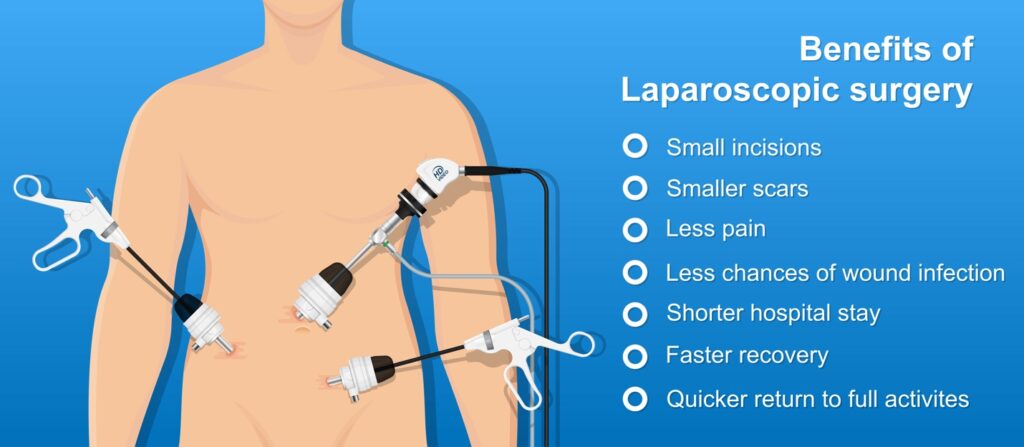
Laparoscopic colon surgery is a minimally invasive way to treat colon cancer. Instead of a large incision, this technique uses a few small ones. A tiny camera and specialized instruments are inserted through these openings, allowing precise removal of the cancerous section of the colon.
The benefits include less pain, smaller scars, and a quicker return to daily life. Most patients recover faster than with traditional open surgery.
This technique is suitable for many patients, and during your consultation, I’ll assess if it’s the best option for you. Rest assured, I’ll guide you toward the safest and most effective treatment.
Dr. Ganesh Ramalingam’s Approach to Laparoscopic Colon Surgery
When it comes to laparoscopic colon surgery, experience matters. With over 20 years of performing advanced minimally invasive procedures, I’ve developed a patient-centered approach that focuses on personalized care and precise outcomes.
Before surgery, I take the time to understand your unique needs. This includes detailed diagnostic evaluations to determine the most effective treatment plan. My priority is treating your cancer while ensuring you feel fully supported and informed every step of the way.
The Laparoscopic Procedure Explained
Laparoscopic colon surgery is a precise and carefully planned procedure. It begins with general anesthesia to ensure your comfort. Small incisions are made, and a camera is inserted to guide specialized instruments for removing the cancerous section of the colon. The remaining healthy sections are then reconnected to restore normal bowel function.
Because the incisions are smaller, you’ll experience less pain, minimal scarring, and faster recovery. Most patients are up and walking within a day and return to normal activities in just a couple of weeks. This safe and effective approach is designed to get you back to living your life.
Post-Surgery Care and Recovery
Recovering from laparoscopic colon surgery is usually quicker and smoother than traditional methods. Most patients are up and moving the day after surgery, and within one to two weeks, you can return to most of your normal activities.
Post-surgery care focuses on healing and regaining strength. I’ll guide you on dietary adjustments to support recovery, manage any discomfort with tailored pain relief, and advise on activity restrictions to ensure proper healing. Follow-up visits are essential to monitor your progress and confirm that everything is on track.
With the right care, you’ll be on the path to a full and healthy recovery.
Benefits of Choosing Laparoscopic Surgery Over Open Surgery
Laparoscopic surgery offers several advantages over traditional open surgery. With smaller incisions, you’ll experience less pain, minimal scarring, and a quicker return to normal activities. Most patients can leave the hospital sooner and resume their lives in just a couple of weeks.
This minimally invasive approach also reduces the risk of complications, such as infections and excessive blood loss. Bowel function tends to recover faster, allowing you to get back to eating and feeling like yourself sooner.
Laparoscopic surgery offers a safe and effective option, focusing on faster recovery, reduced pain, and long-term health benefits.
Dr. Ganesh’s Expertise and What to Expect at G&L Clinic
With over 20 years of expertise in advanced minimally invasive techniques, I am deeply committed to delivering care that focuses on your comfort, recovery, and long-term health. My personalized approach ensures that your treatment plan is tailored to your unique needs, addressing not just the symptoms but the root causes of your condition.
To make your journey as smooth as possible, my team provides full support for Indonesian patients. In Indonesia, our dedicated team assists with inquiries, appointments, and initial coordination, while our Singapore concierge team ensures a seamless experience from consultation to post-procedure care. Both teams are fluent in Bahasa Indonesia, making communication simple and stress-free.
At G&L Surgical Clinic, we strive to provide world-class care in a welcoming environment. My goal is to guide you every step of the way, empowering you to achieve lasting health and well-being with confidence and peace of mind.
FAQs: Your Questions About Laparoscopic Colon Surgery
Here are concise answers to common concerns about laparoscopic colon surgery to help you make informed decisions about your care.
- What is laparoscopic colon surgery?
A minimally invasive procedure using small incisions, a camera, and tools to remove cancerous sections of the colon. - How does it compare to open surgery?
Faster recovery, smaller scars, less pain, and comparable effectiveness make laparoscopic surgery a better option for many. - Who qualifies for laparoscopic colon surgery?
Ideal for early-stage colon cancer patients; suitability depends on cancer’s location and overall health. - How long is recovery?
Most patients resume normal activities within 1–2 weeks due to minimal incisions and faster healing. - What are the main benefits?
Reduced pain, fewer complications, faster recovery, and minimal scarring are key advantages of laparoscopic surgery.
Colon cancer is a serious condition, but with early detection and advancements like laparoscopic surgery, recovery is faster and less invasive. From understanding the causes to exploring treatment options, taking the right steps can make all the difference.
If you’re ready to explore personalized care and seamless support, contact our dedicated Indonesian team today. We’re here to guide you toward better health, every step of the way.