
- Written By: Dr Ganesh Ramalingam
- Reading Time: 4-5 minutes

Dr Ganesh Ramalingam, MBBS, M.Med, MRCS, FRCS
Table of Contents
Introduction: Understanding GERD
Hi, I’m Dr. Ganesh Ramalingam. Let’s talk about GERD, a chronic condition where stomach acid persistently flows into the esophagus, causing heartburn, regurgitation, and discomfort. It can feel like a burning sensation behind your chest, or sometimes a sour taste in your mouth, which can be very unsettling.
While occasional acid reflux is common, GERD is a chronic condition that can disrupt daily life, from interfering with your sleep to affecting your overall well-being. If left untreated, it can lead to more serious health problems.
The good news is that GERD is manageable, and there are many ways to regain control and feel better.
What Causes GERD?
To manage GERD effectively, it’s essential to understand its causes. Knowing what triggers GERD can help in tailoring effective solutions.
GERD begins when the lower esophageal sphincter (LES), a muscle that acts as a valve between the esophagus and stomach, becomes weak or relaxes at the wrong time. This allows stomach acid to flow back into the esophagus
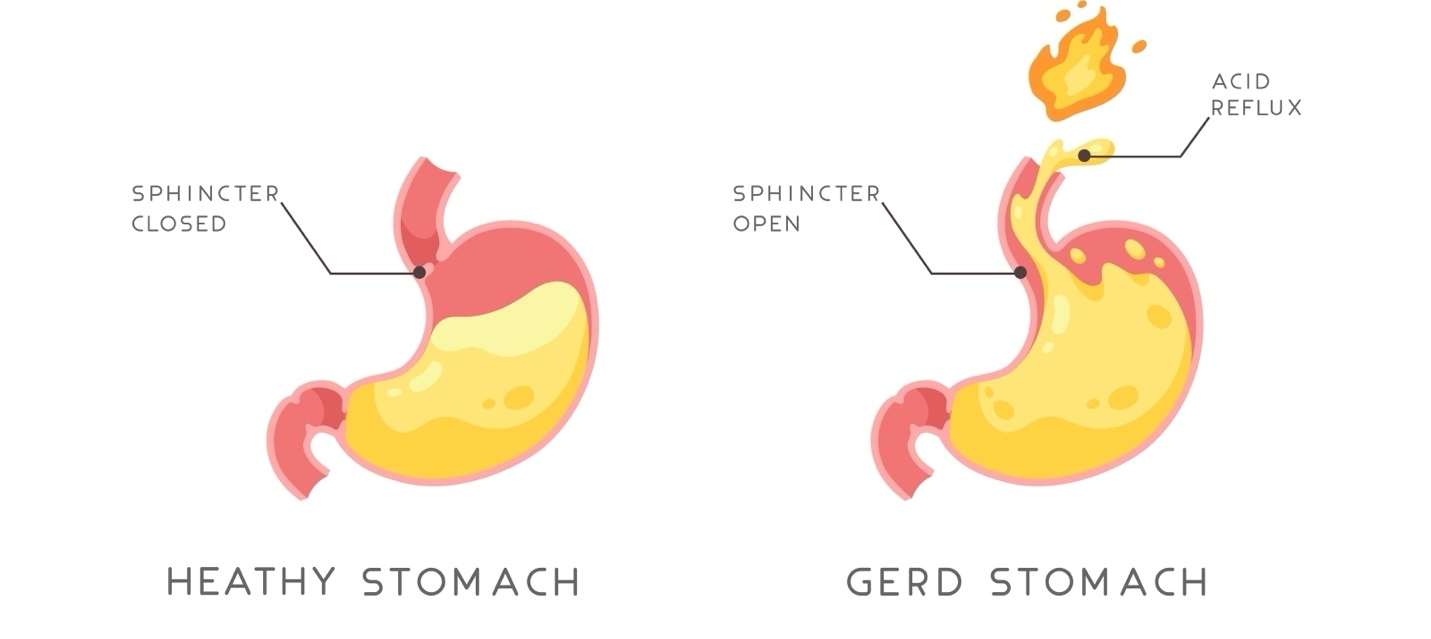
Factors like obesity, smoking, and poor diet often contribute. Eating fatty or spicy foods, drinking coffee or alcohol, or eating late at night can make it worse. Conditions such as hiatal hernia or pregnancy can also increase the risk.
Understanding these causes is the first step to managing GERD effectively and preventing it from interfering with your quality of life.
GERD Complications if Left Untreated
Ignoring GERD can lead to esophagitis—painful inflammation of the esophagus—and serious conditions like Barrett’s esophagus or esophageal cancer.
Persistent reflux can also lead to strictures, or narrowing of the esophagus, making eating difficult. Additionally, GERD may cause respiratory issues like chronic cough and asthma-like symptoms.
Addressing GERD early not only prevents complications but also improves your quality of life, ensuring you enjoy daily activities without constant discomfort.
General Treatment Options for GERD
Managing GERD often starts with simple lifestyle changes. Avoiding trigger foods—like spicy dishes, coffee, and alcohol—can make a big difference. Eating smaller meals and not lying down immediately after eating helps reduce symptoms.
Weight loss and quitting smoking are also highly effective in improving GERD. For nighttime reflux, elevating the head of your bed can prevent acid from flowing back into the esophagus.
Over-the-counter medications, such as antacids, H2 blockers, and proton pump inhibitors (PPIs), provide relief by neutralizing or reducing stomach acid. These steps can alleviate mild symptoms and lay the foundation for long-term GERD management.
Advanced GERD Treatment with Dr. Ganesh Ramalingam
If lifestyle changes and medications don’t bring lasting relief, it’s time to address the root causes of GERD.
I take a personalized approach, tailoring treatments to each patient’s unique needs. Together, we’ll identify triggers such as dietary habits, obesity, or conditions like hiatal hernia, tailoring a plan that fits your lifestyle.
My goal is not just to treat GERD but to help you prevent its recurrence through sustainable lifestyle changes. With my guidance, you’ll gain the tools to manage GERD effectively and enjoy a better quality of life for years to come.
Minimally Invasive Procedures for GERD
For severe or persistent GERD, minimally invasive procedures offer effective solutions.
One option is laparoscopic anti-reflux surgery, also known as laparoscopic Nissen fundoplication surgery, which reinforces the valve between your esophagus and stomach to prevent acid reflux. This advanced technique uses small incisions, resulting in less pain, minimal scarring, and faster recovery compared to traditional surgery. It’s ideal for patients who experience significant lifestyle disruptions or have not responded to medication.

Many patients find long-term relief from symptoms, improving both their health and overall quality of life. With the right approach, even complex cases of GERD can be managed successfully.
Why Dr. Ganesh’s Expertise Stands Out
Dr. Ganesh Ramalingam brings over 20 years of experience in gastrointestinal and reflux surgeries, specializing in advanced laparoscopic techniques for minimally invasive care.
Working with a multidisciplinary team, he ensures holistic support at every stage of the patient’s journey, from diagnosis to recovery. His patient-centered approach addresses not just symptoms but the root causes of GERD, delivering tailored, sustainable solutions for lasting relief.
By combining technical expertise with compassionate care, Dr. Ganesh empowers patients to achieve improved well-being and a better quality of life.
His focus on advanced techniques ensures minimal scarring, faster recovery, and long-term outcomes that enable patients to resume daily life with confidence.
FAQs About Managing GERD with Dr. Ganesh Ramalingam
Here are answers to some common questions about GERD treatment to help you better understand and manage your condition.
- What is GERD, and how is it different from acid reflux?
GERD is chronic acid reflux that occurs frequently, causing symptoms like heartburn and regurgitation, and may require long-term management. - When should I see a doctor for GERD symptoms?
Seek medical help if symptoms persist, disrupt daily life, or worsen despite lifestyle changes and over-the-counter treatments. - Why is laparoscopic surgery a good option for GERD?
Laparoscopic surgery uses small incisions, offers faster recovery, less pain, minimal scarring, and long-term relief for severe GERD cases. - Can GERD be managed without surgery?
Yes, lifestyle changes, medications, and addressing triggers often help. Surgery is recommended only for severe or refractory cases. - How does Dr. Ganesh’s team support Indonesian patients?
A dedicated team in Indonesia and a Singapore concierge service ensure smooth communication, care coordination, and a worry-free journey.
Living with GERD doesn’t have to be a struggle. With personalized care and advanced techniques, relief and recovery are possible. For inquiries or to schedule an appointment, please contact our dedicated Indonesian office—we’re here to support you every step of the way.